OLYMPUS DIGITAL CAMERA
OLYMPUS DIGITAL CAMERA
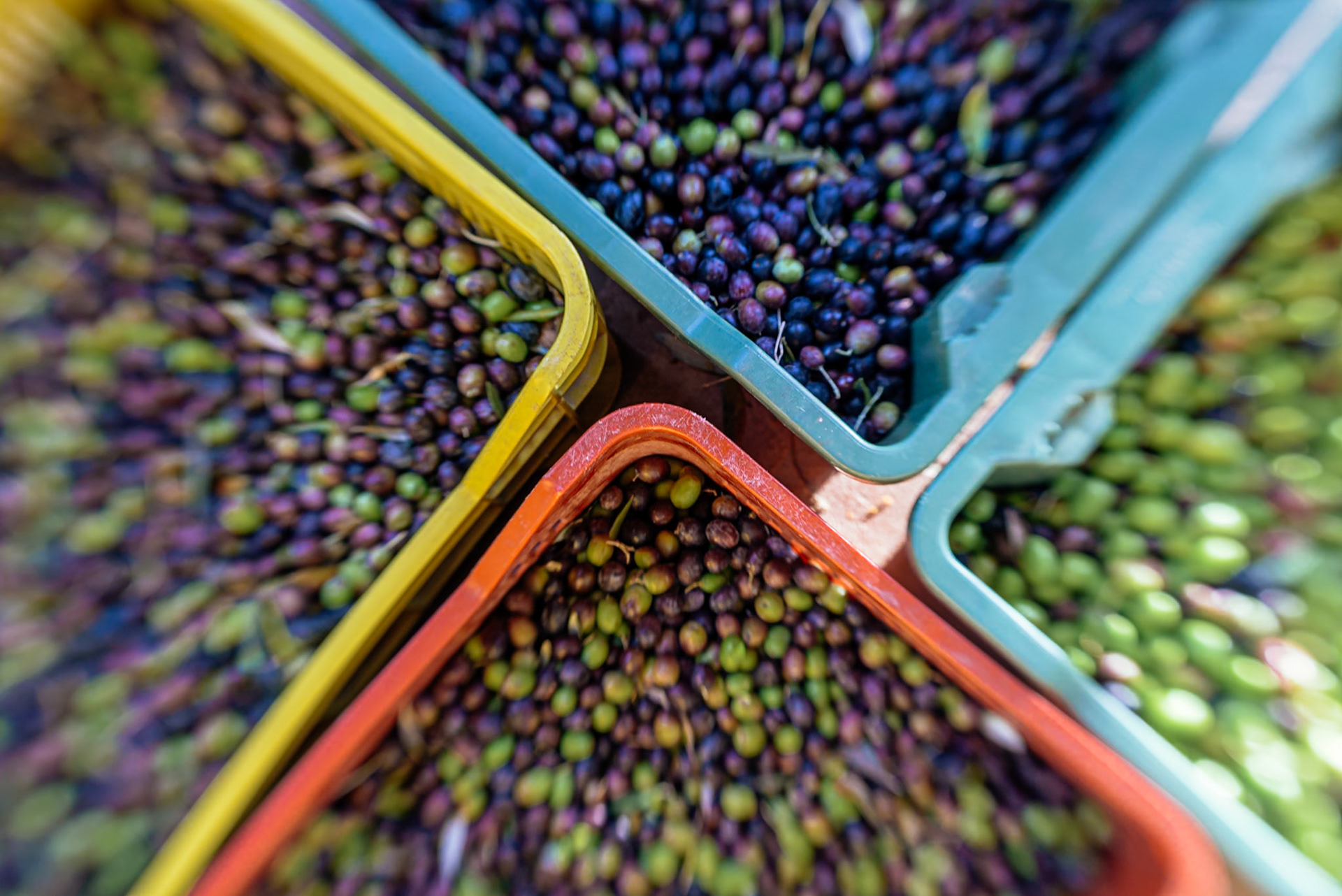
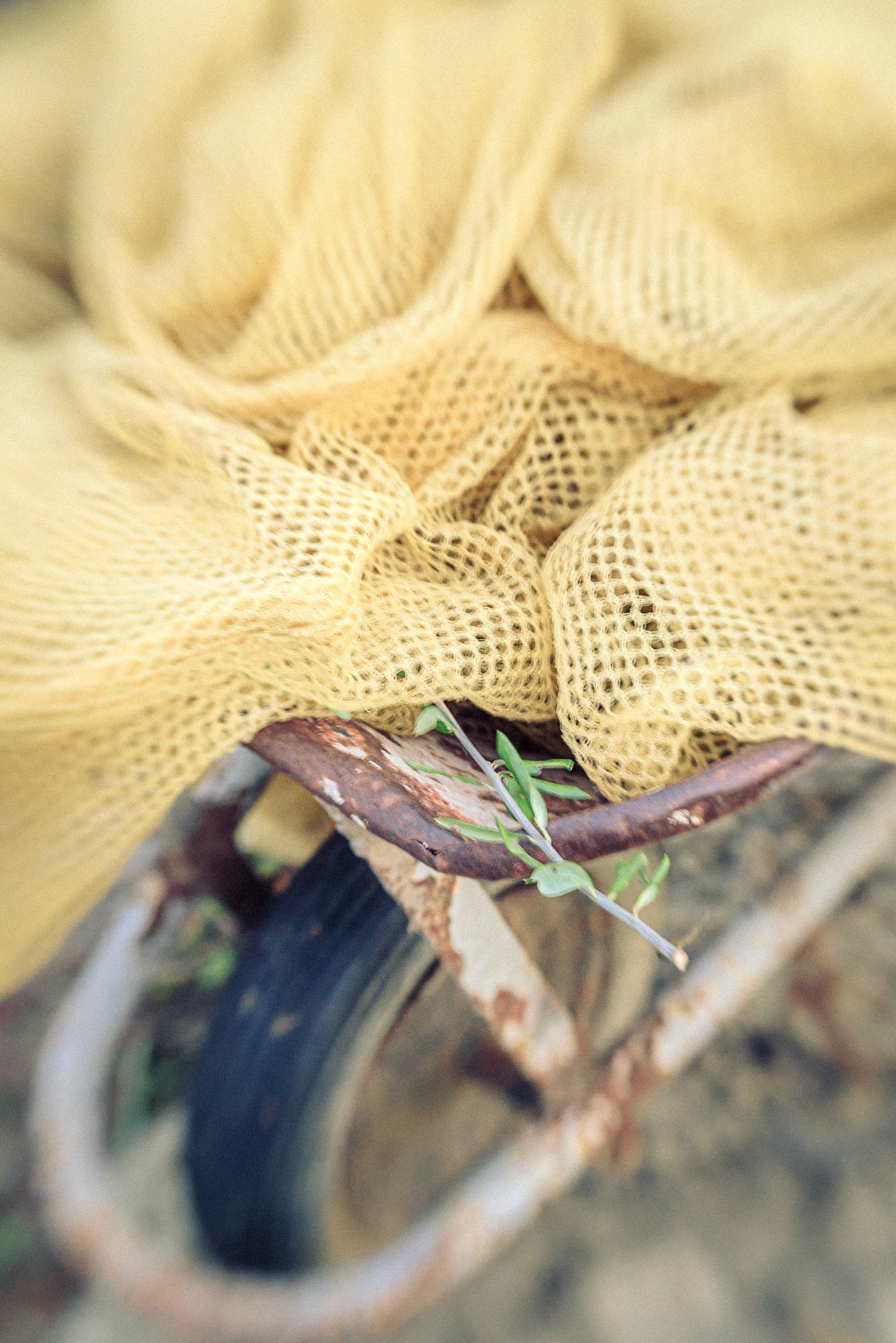
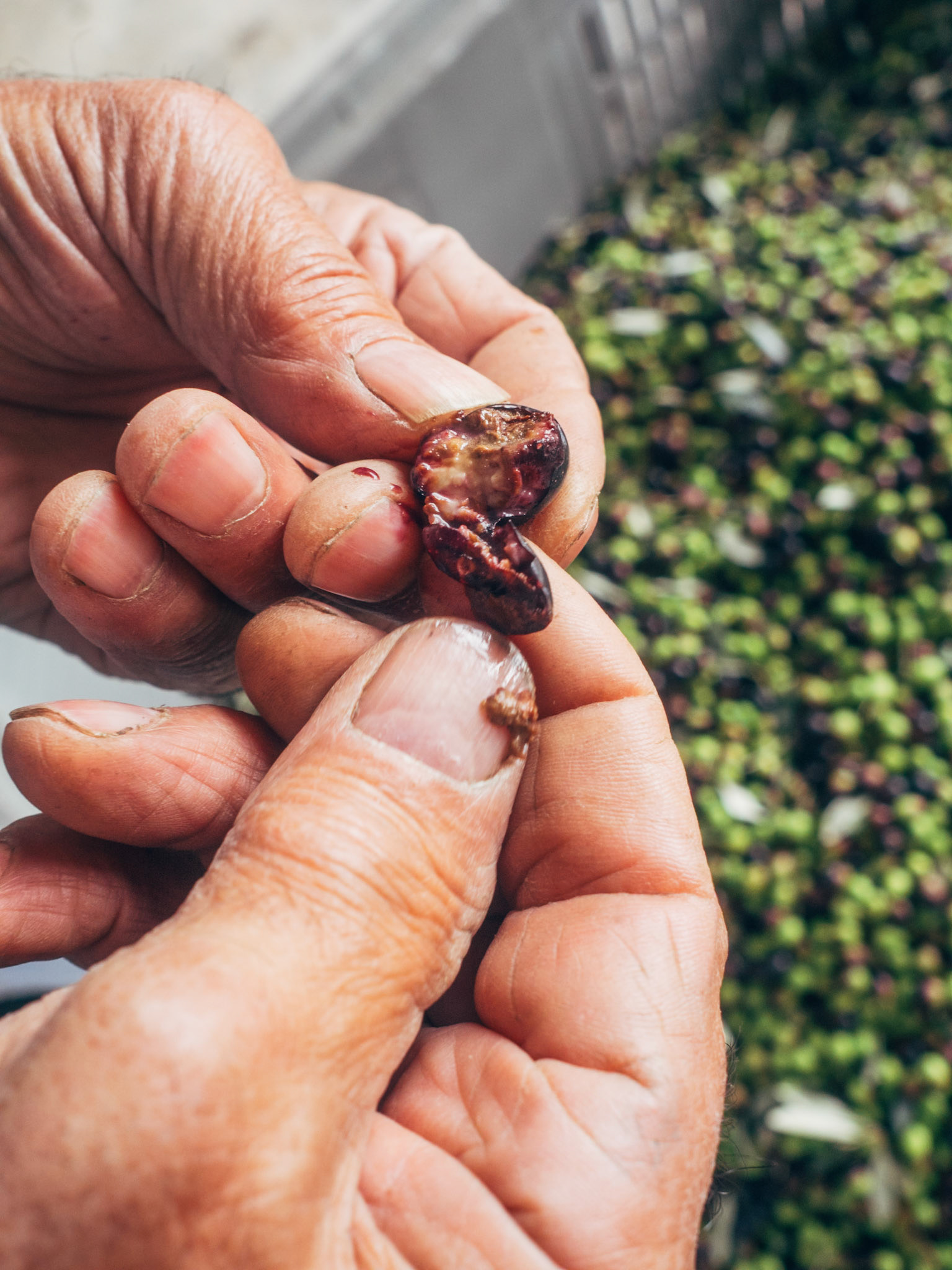
OLYMPUS DIGITAL CAMERA
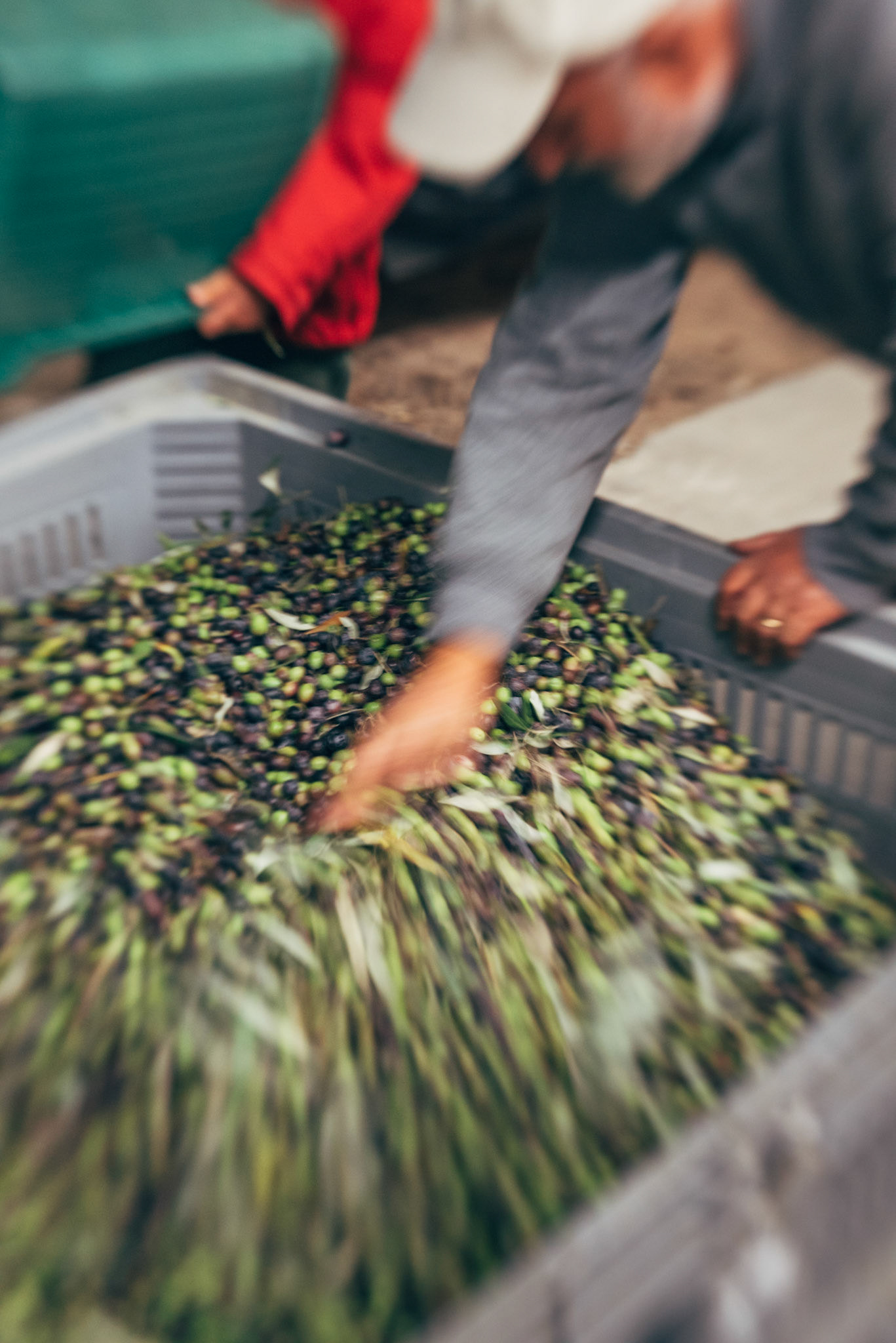
OLYMPUS DIGITAL CAMERA
OLYMPUS DIGITAL CAMERA
OLYMPUS DIGITAL CAMERA
A note from the author
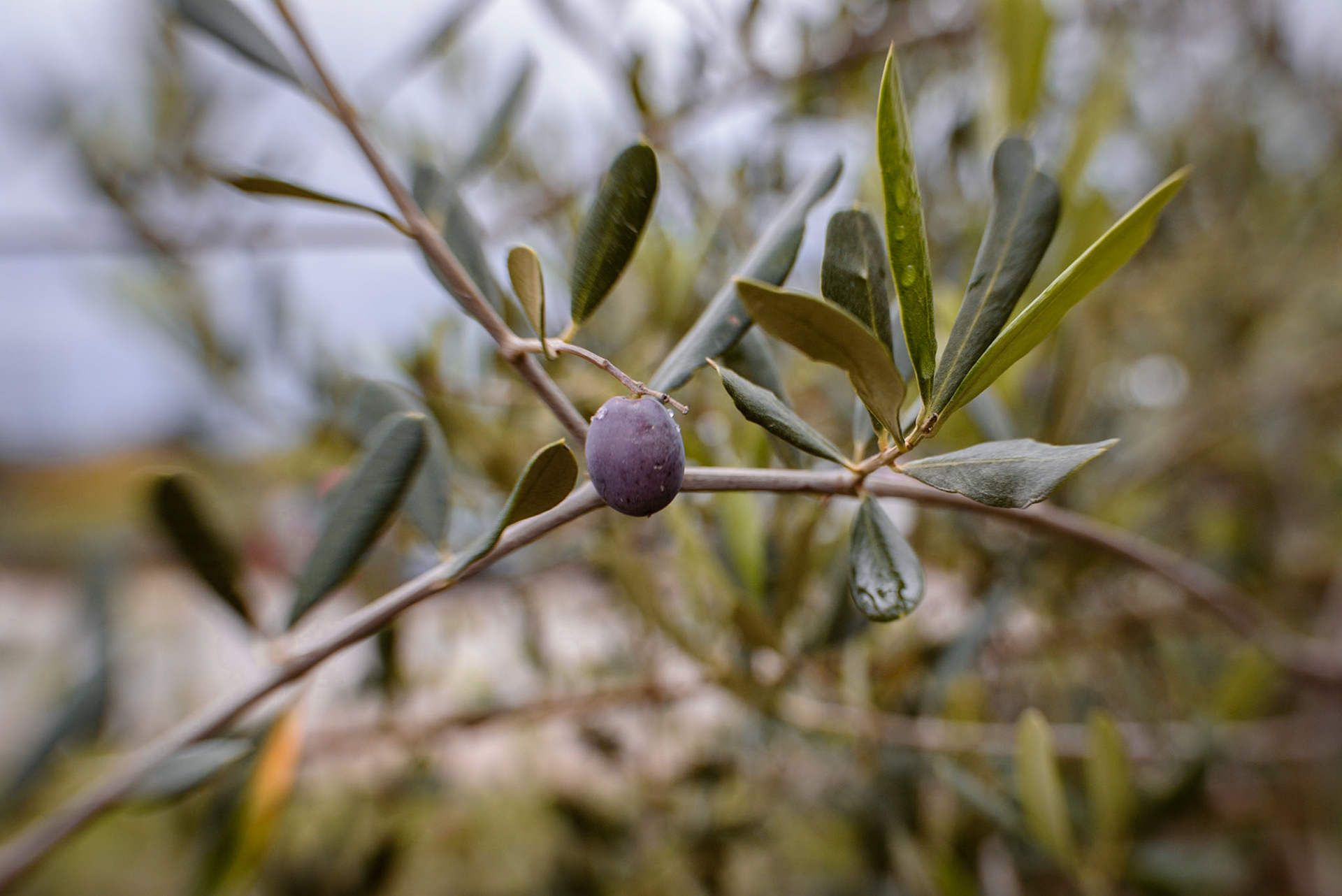
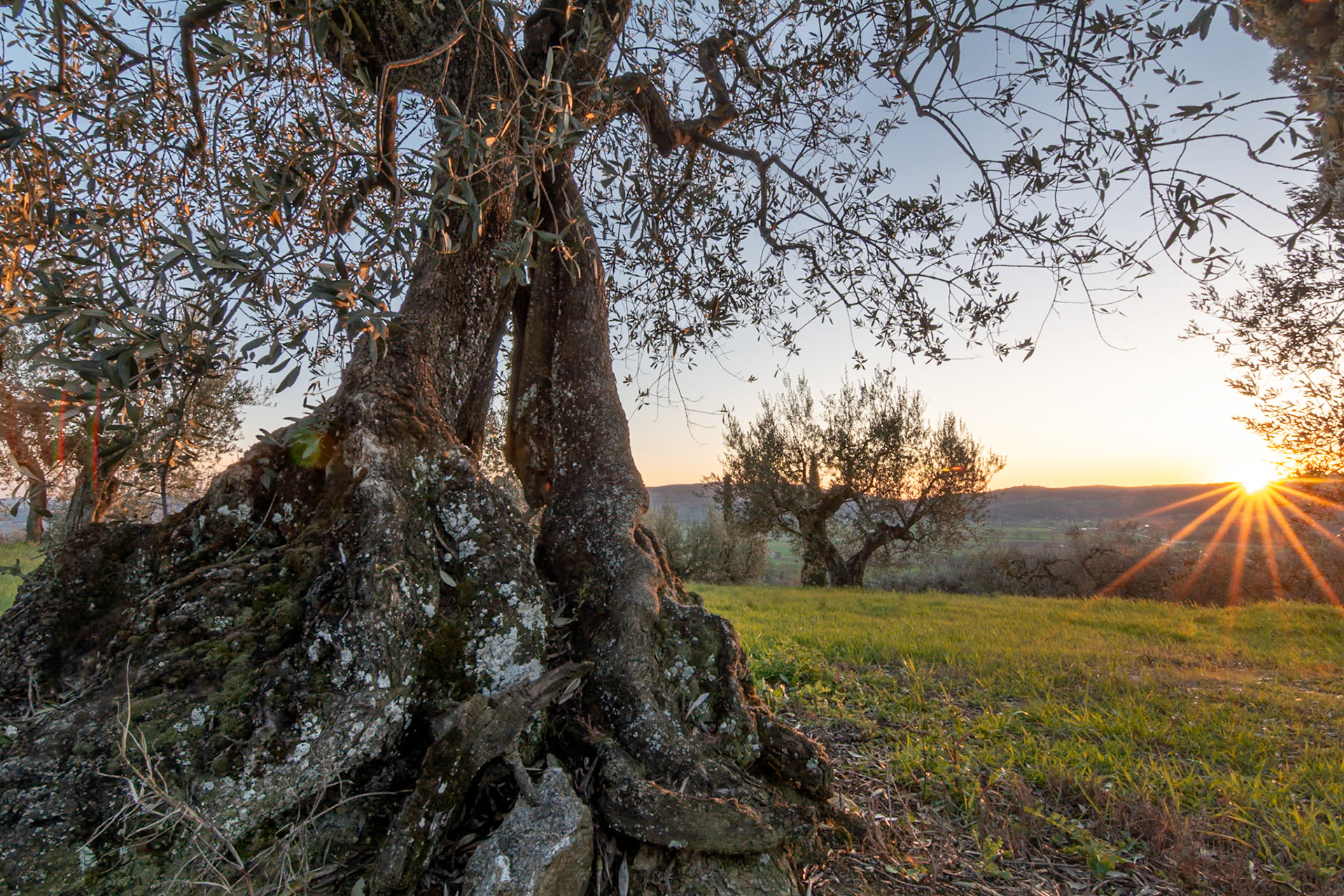
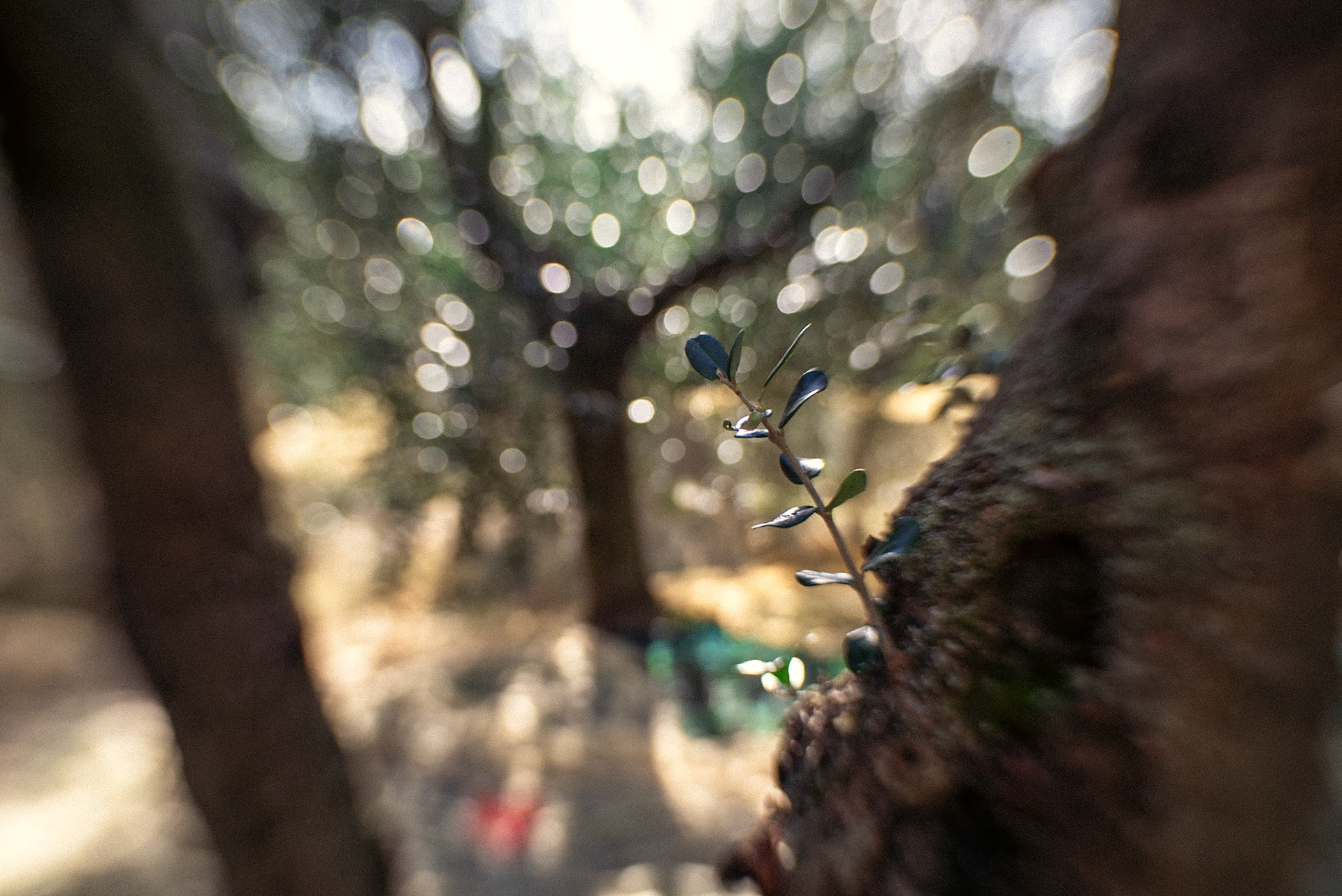
My family has been producing extra-virgin olive oil in the medioeval town of Lucignano, Tuscany, since the mid-90s. With just about 60 trees, we manage to produce enough olive oil for our family and a few friends.
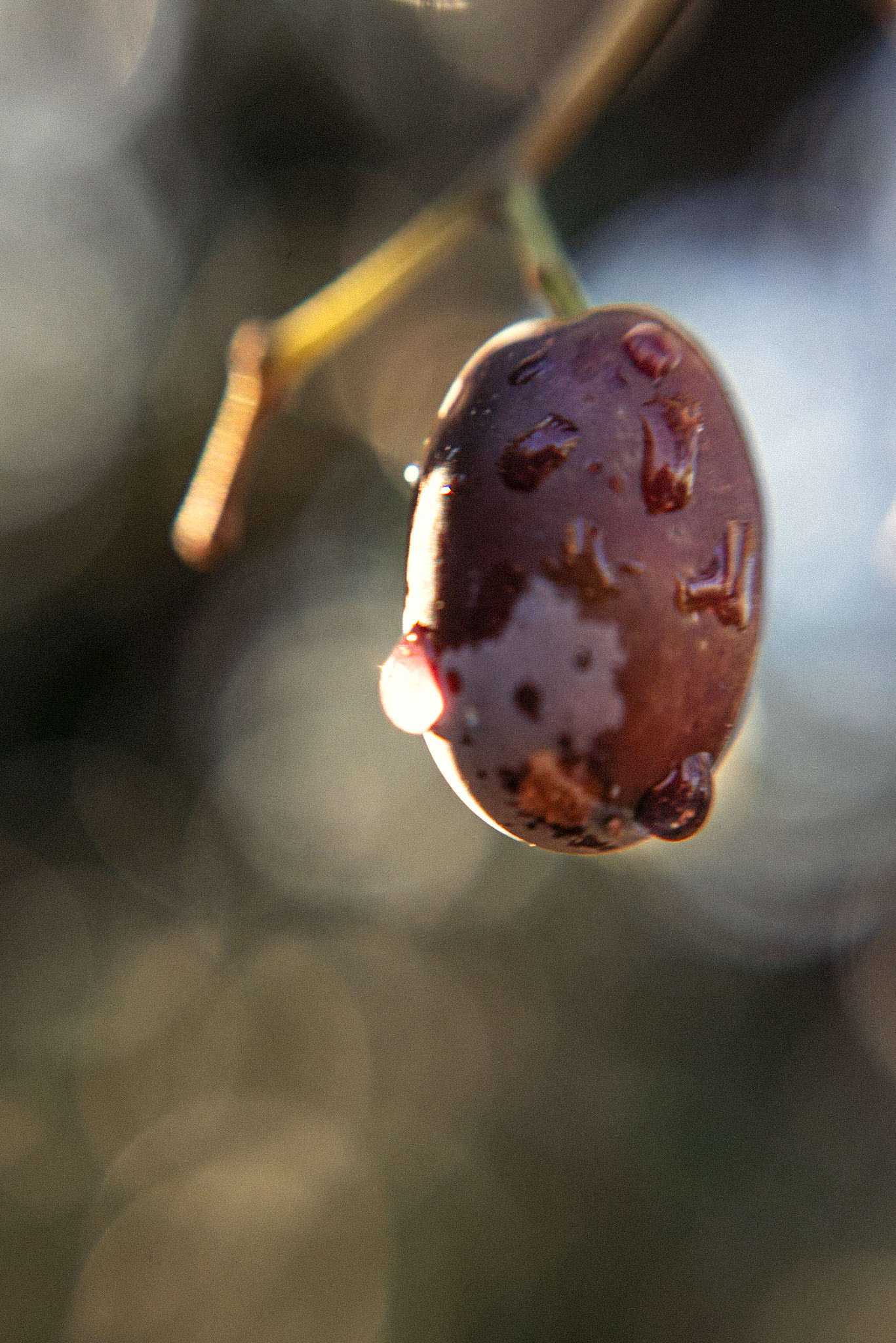
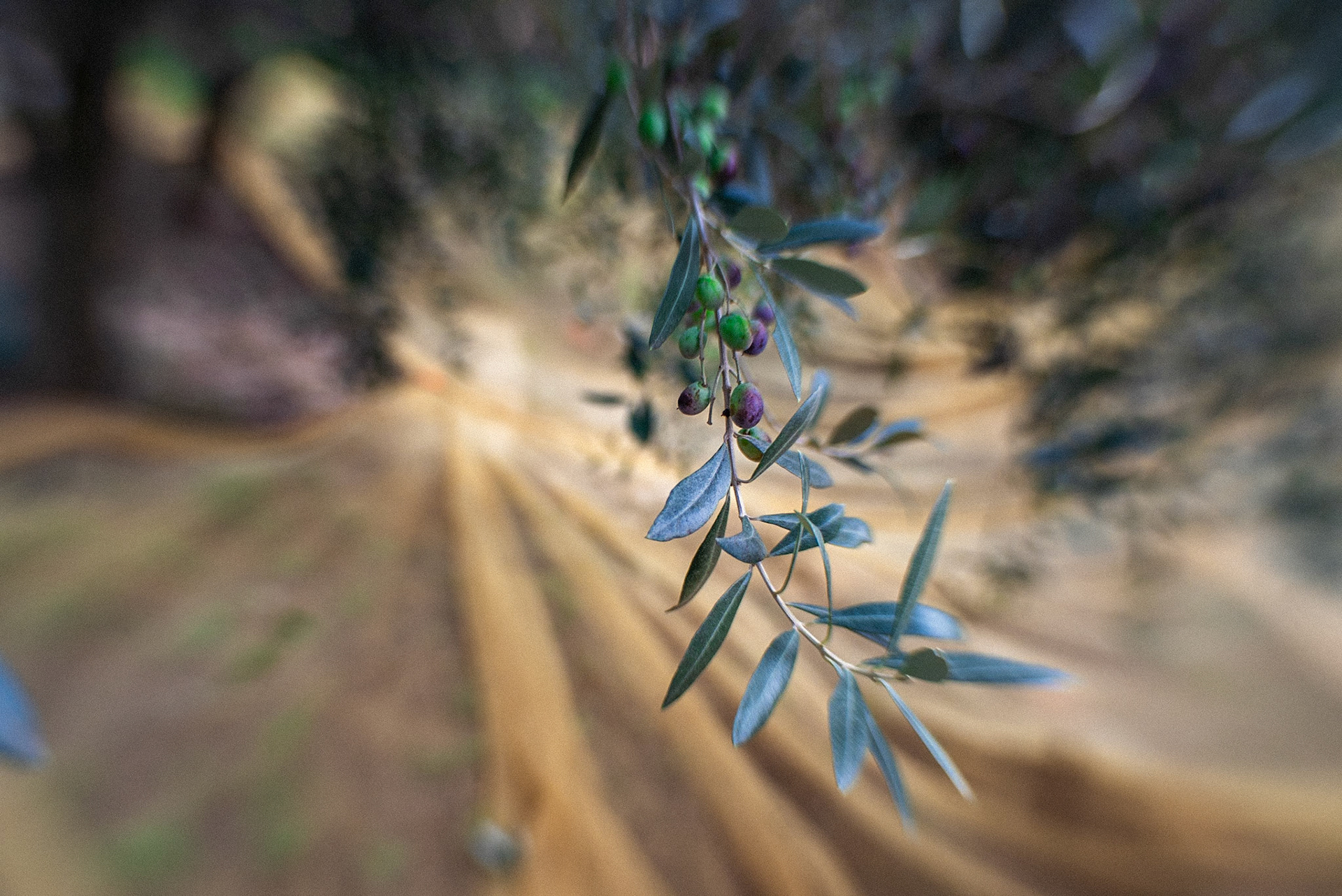
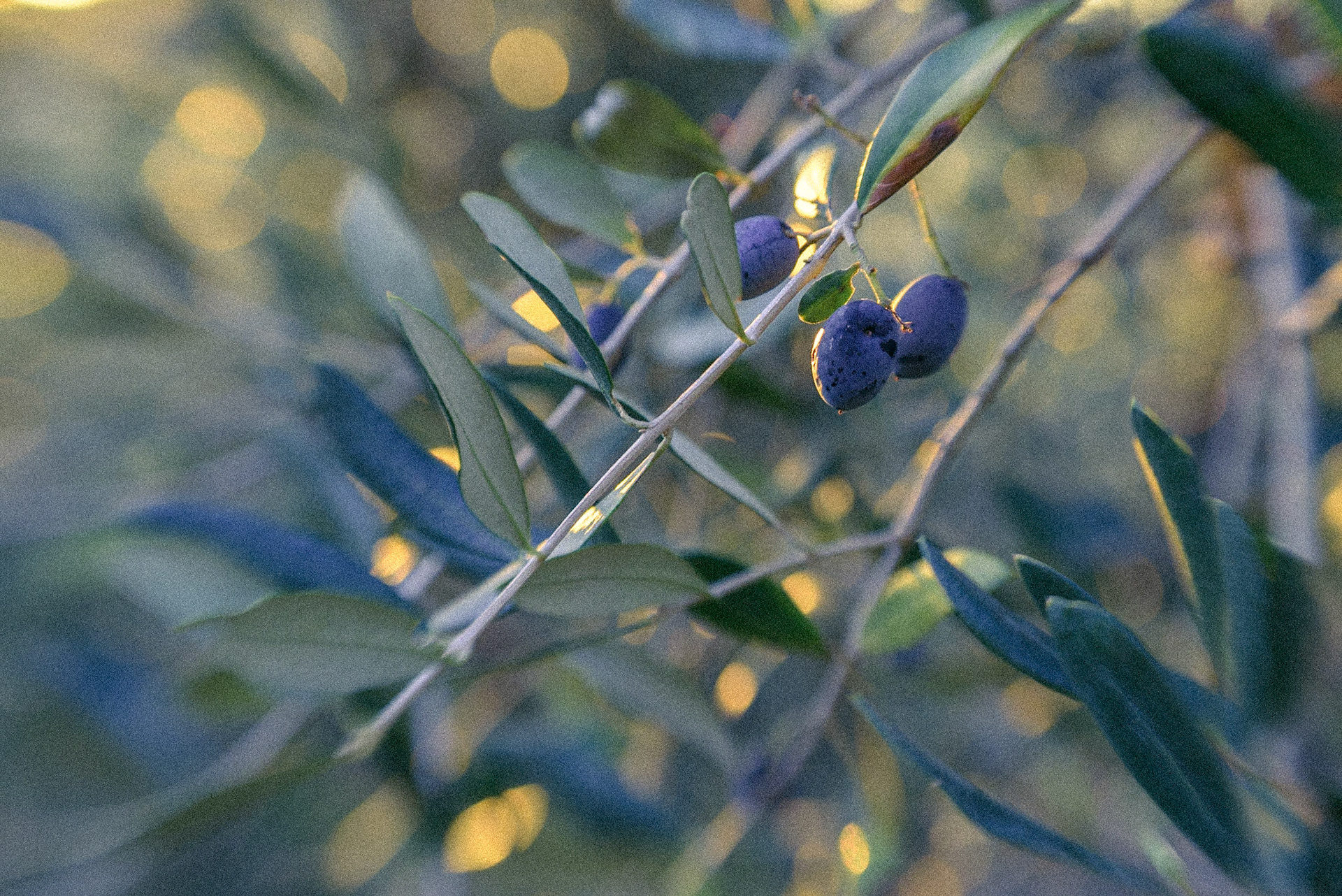
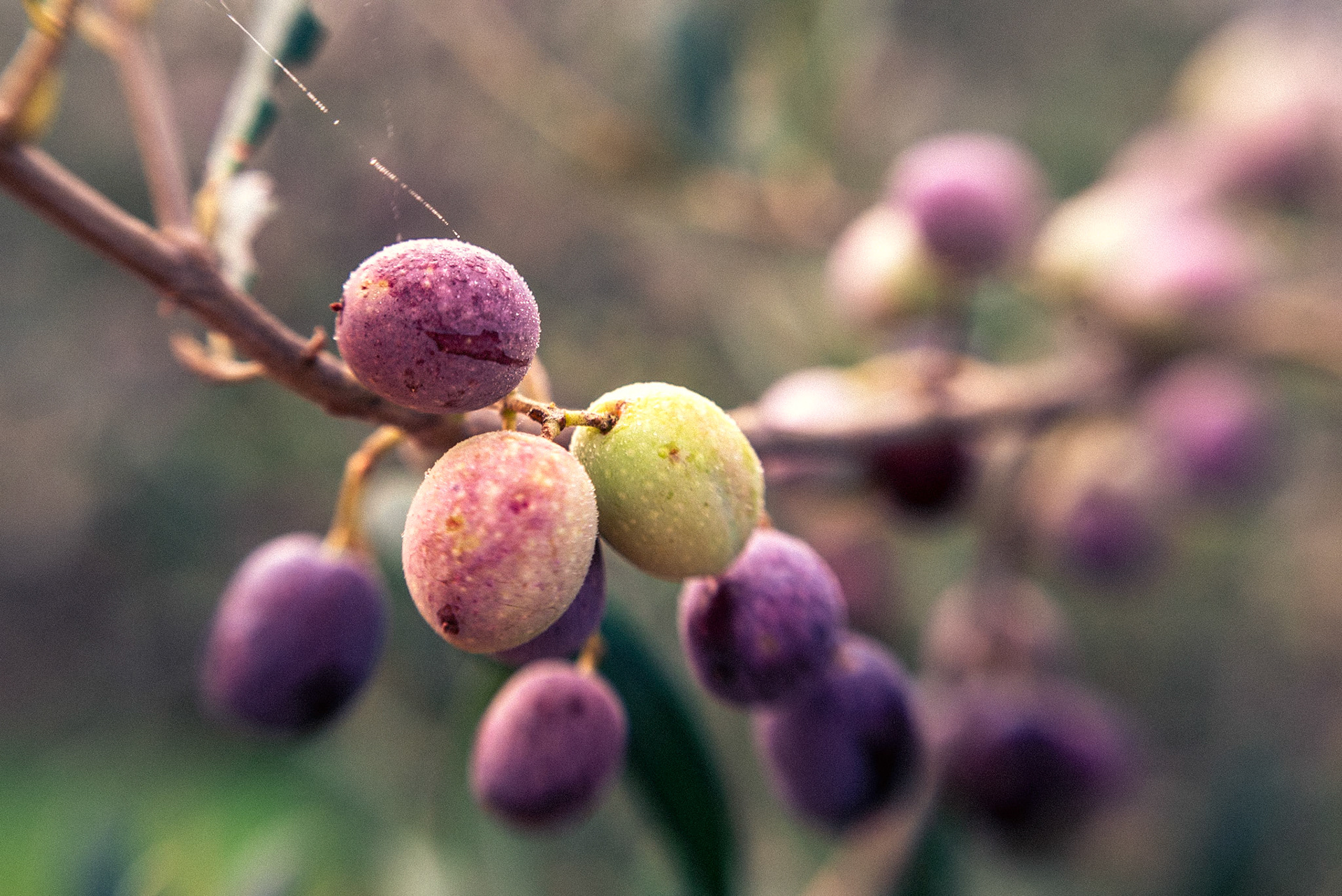
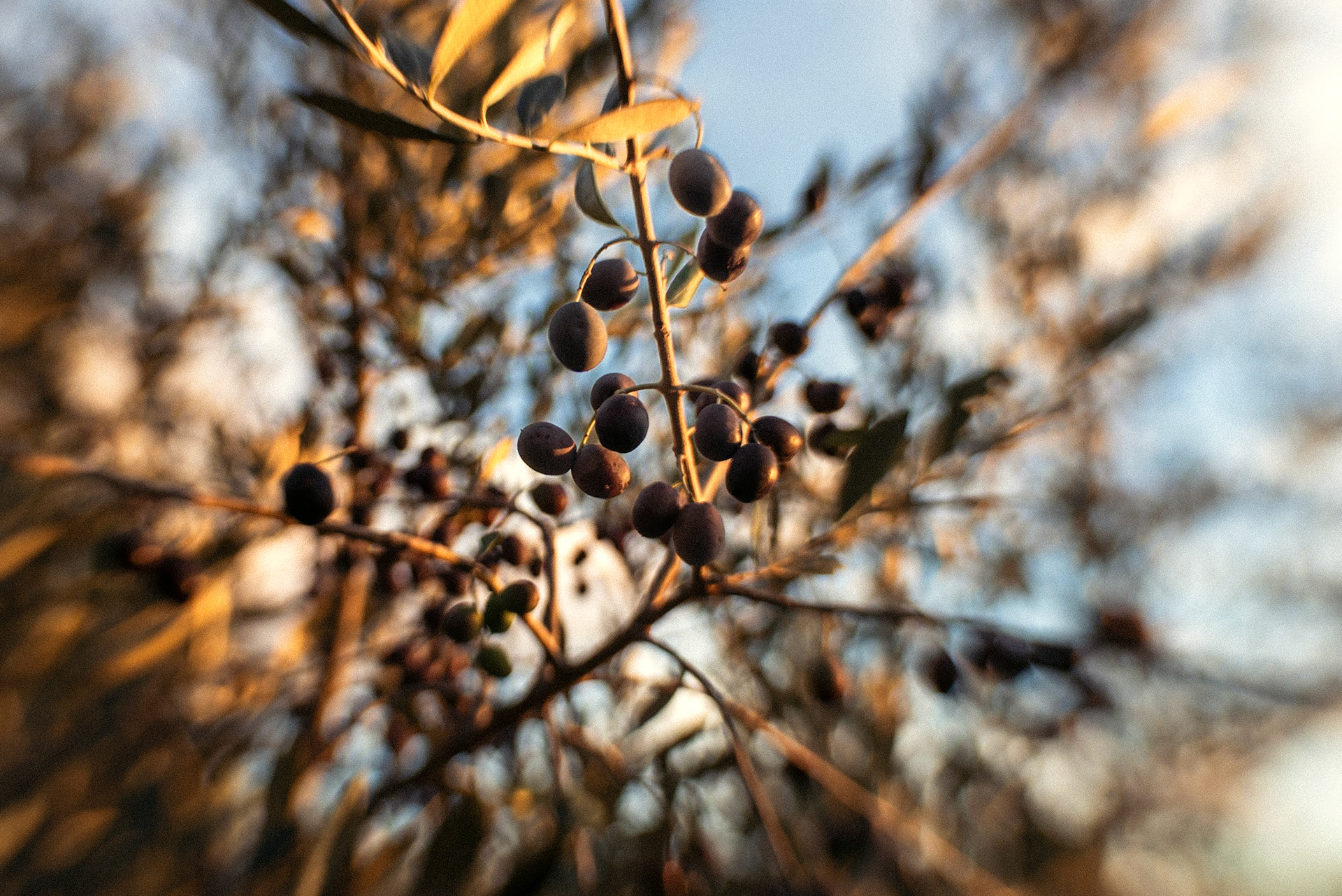
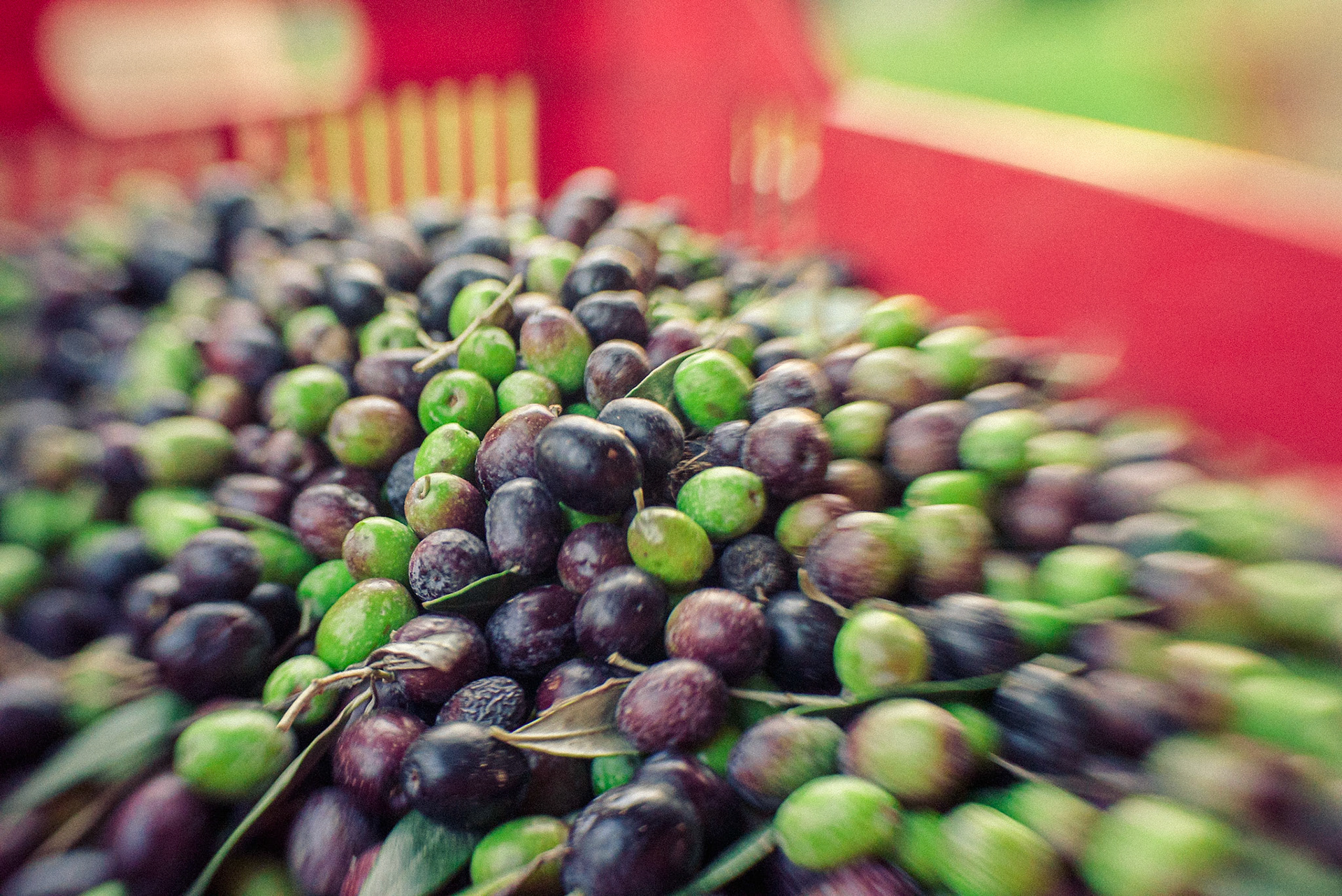
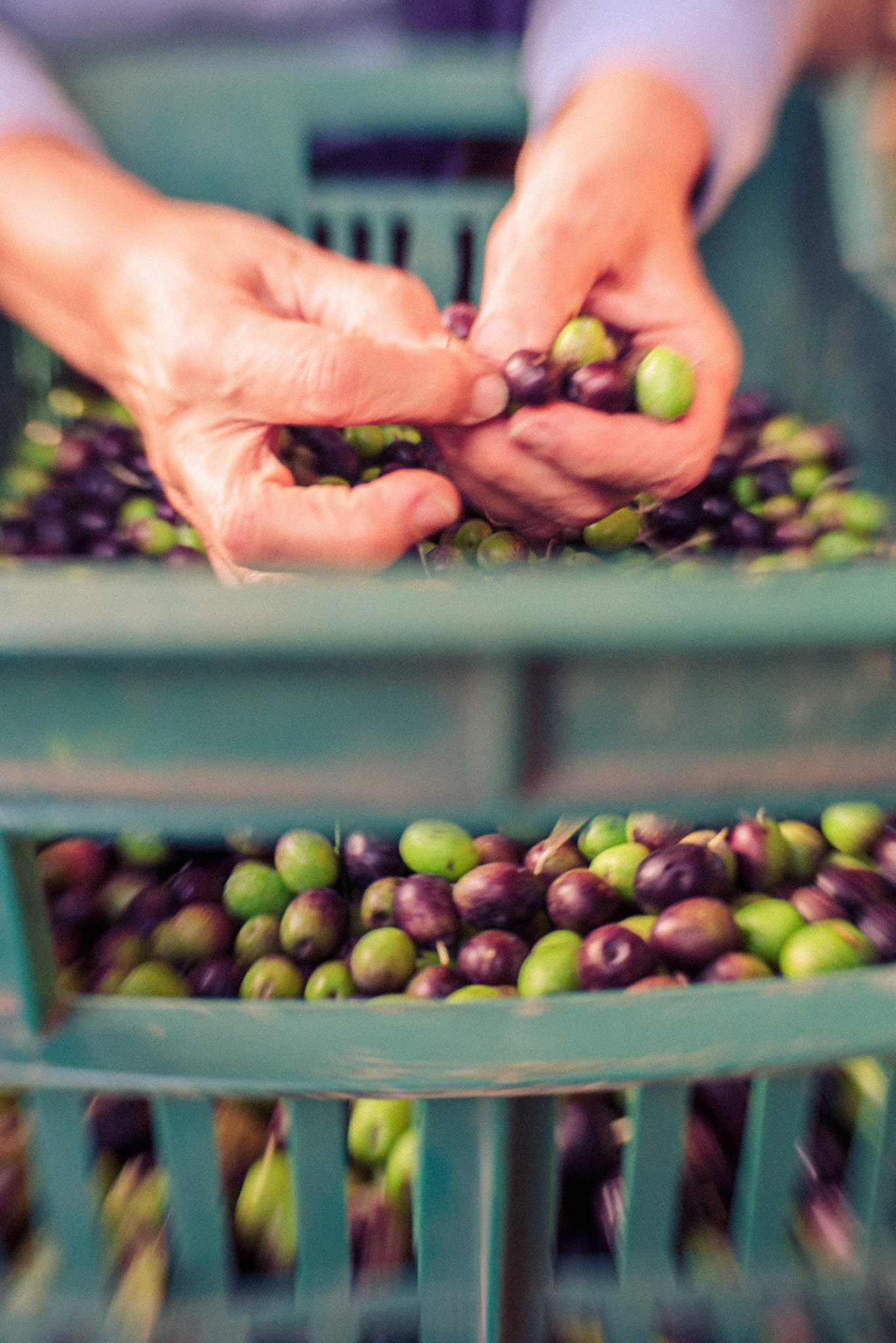
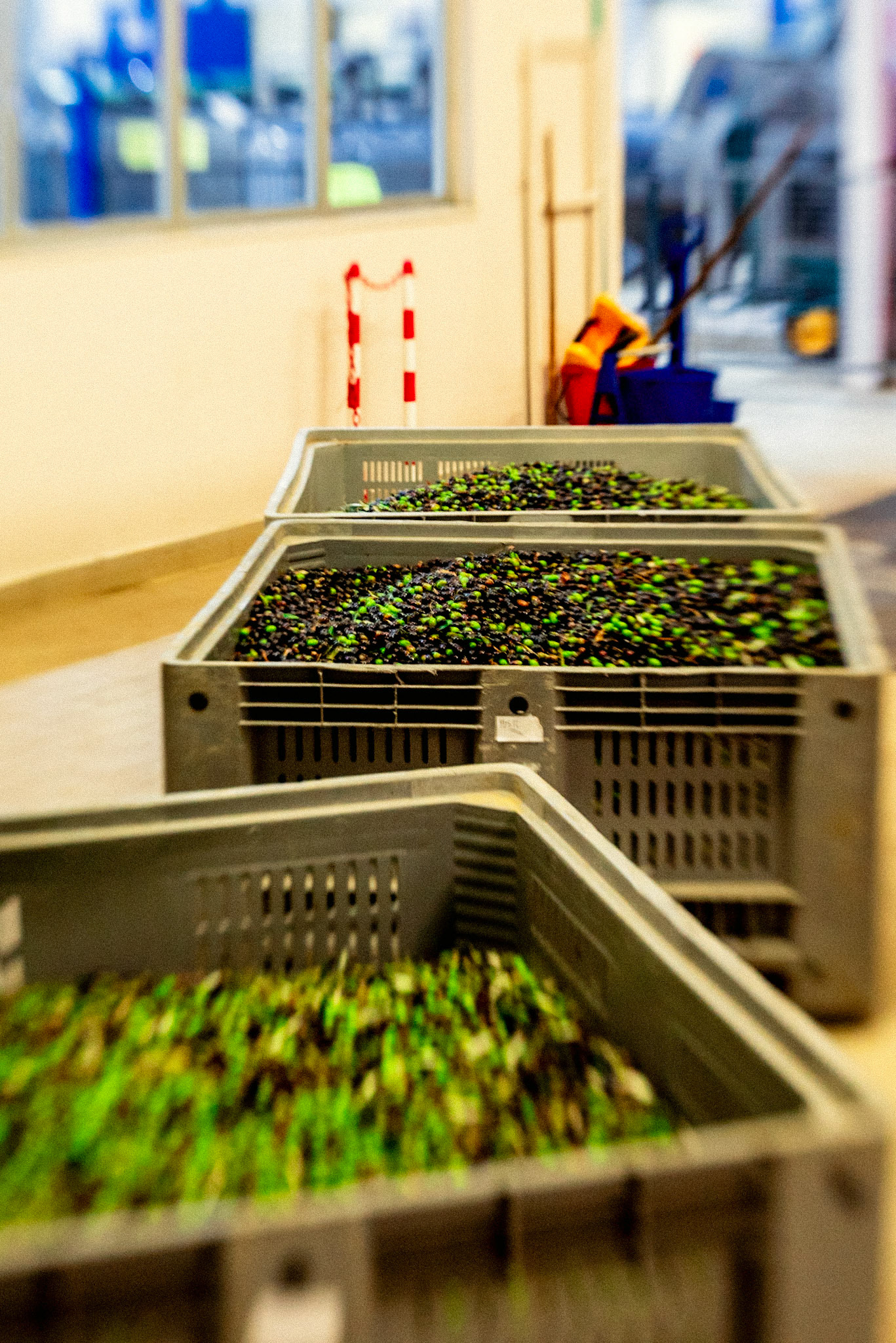
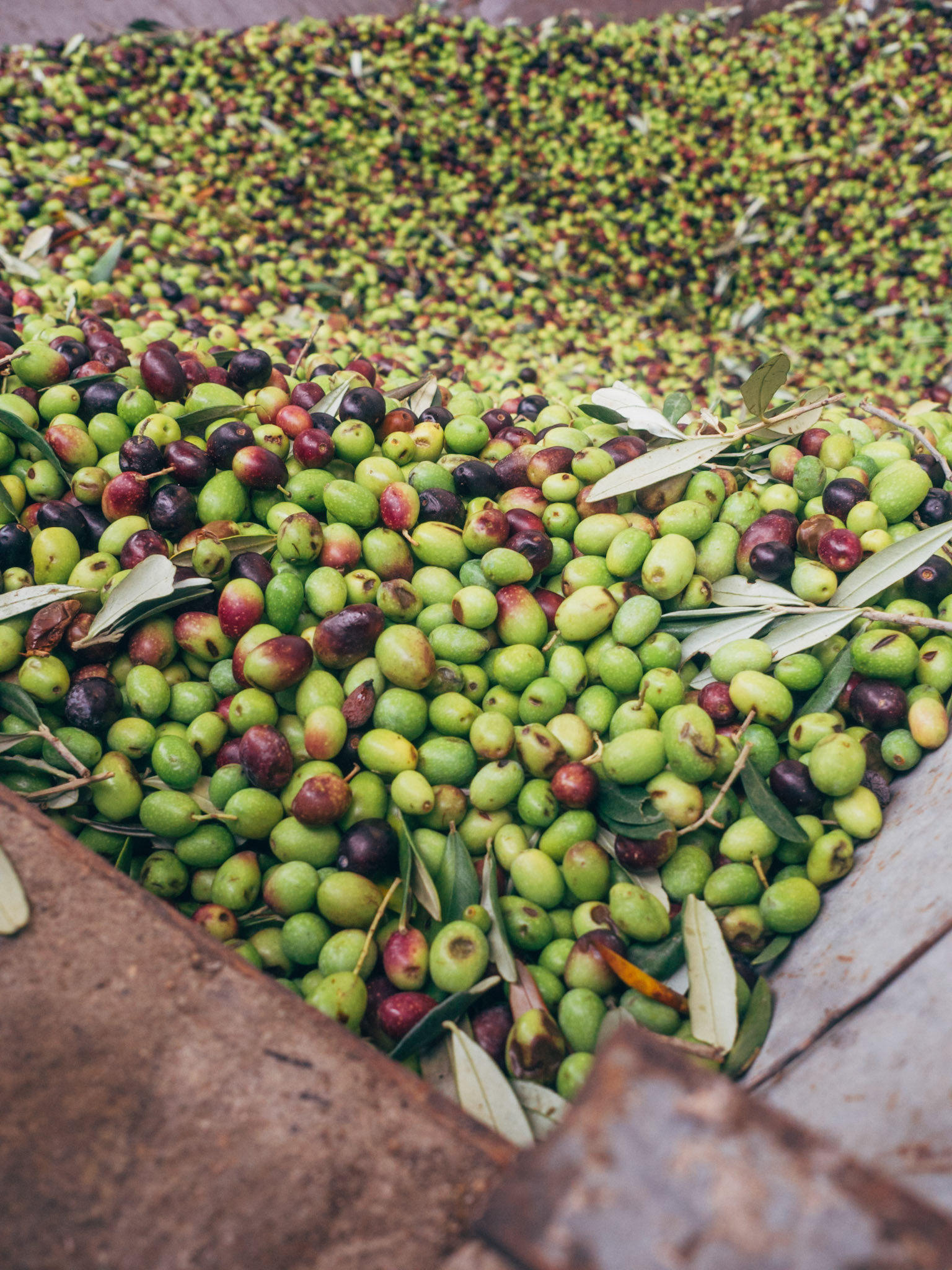
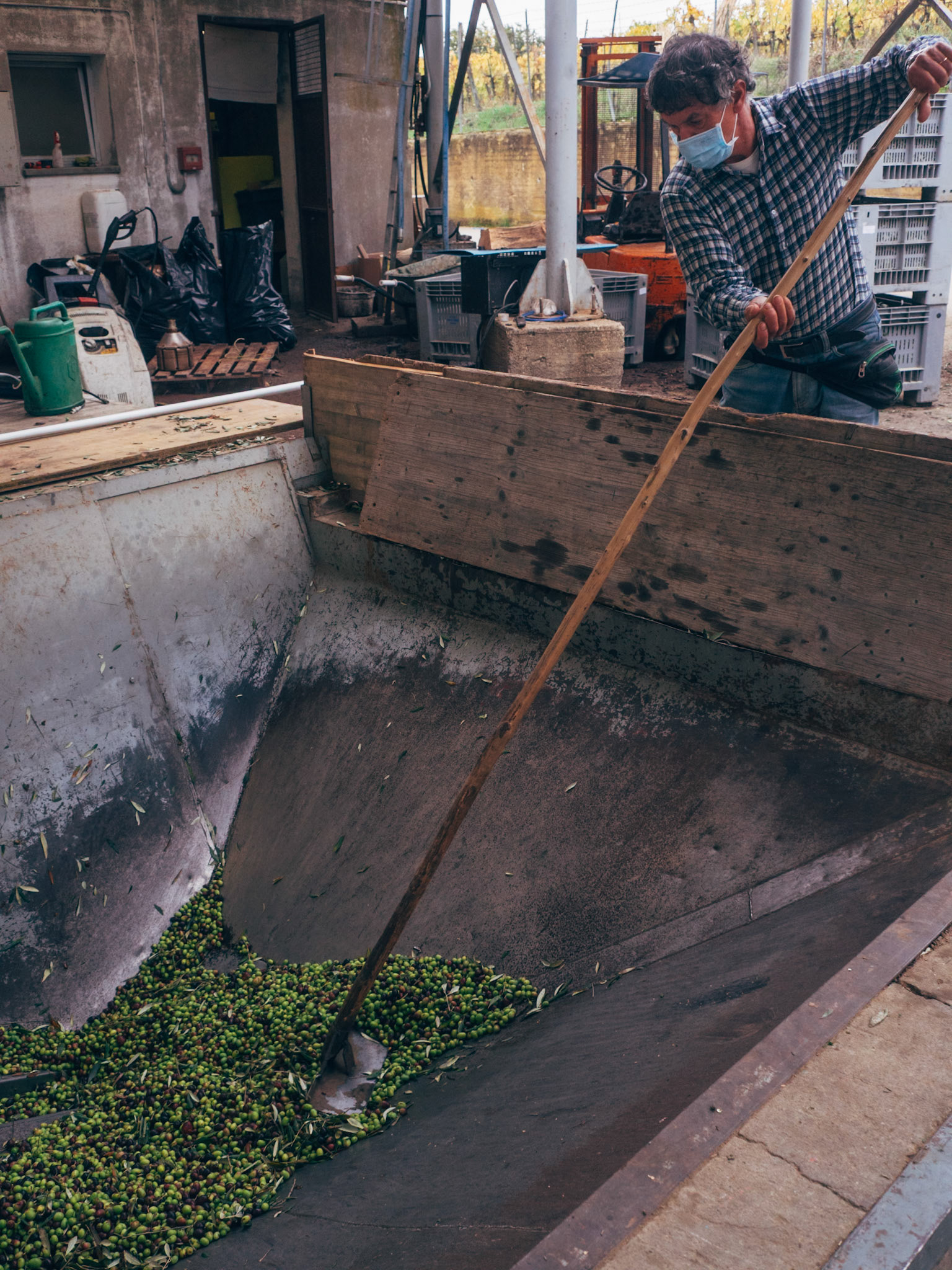
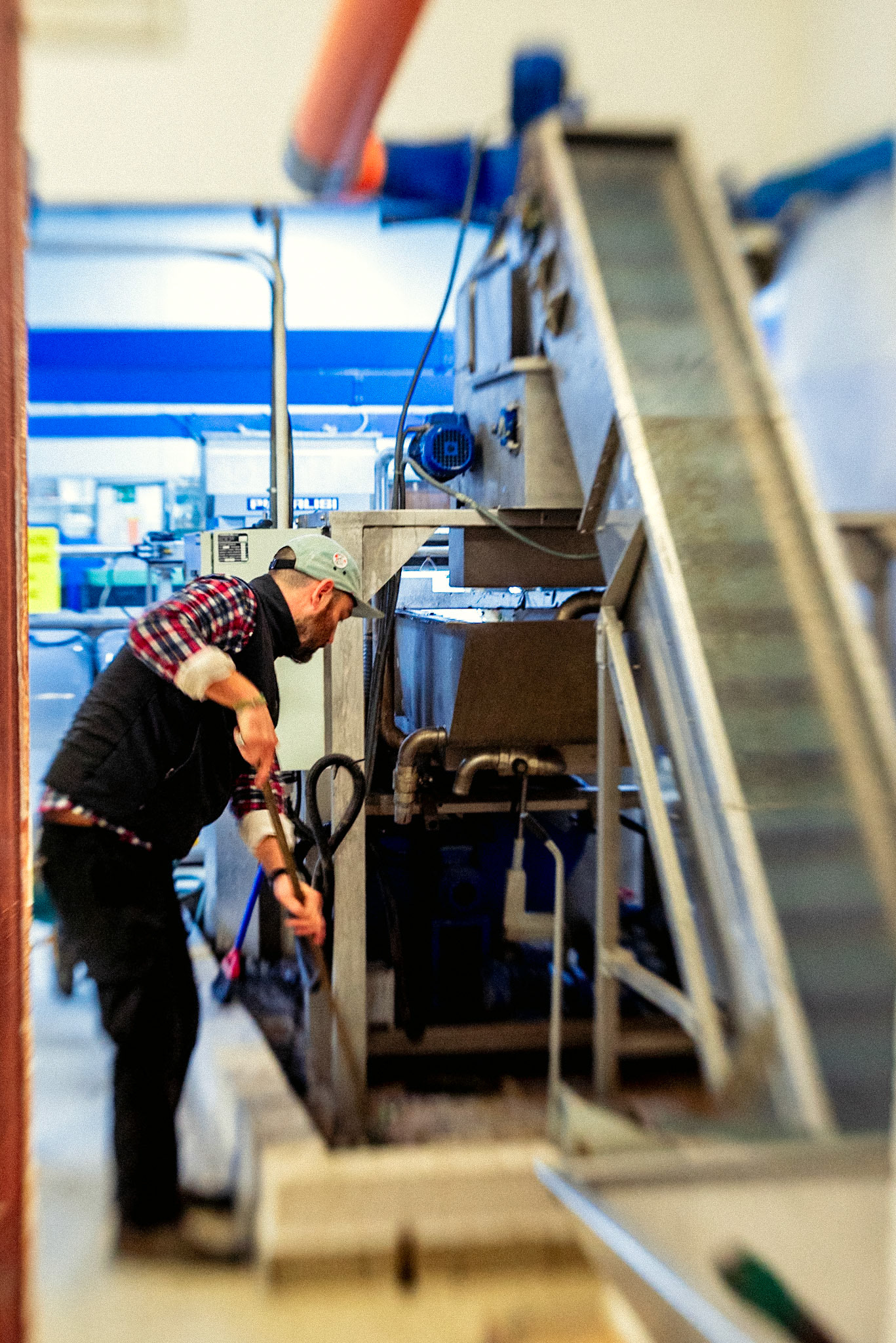
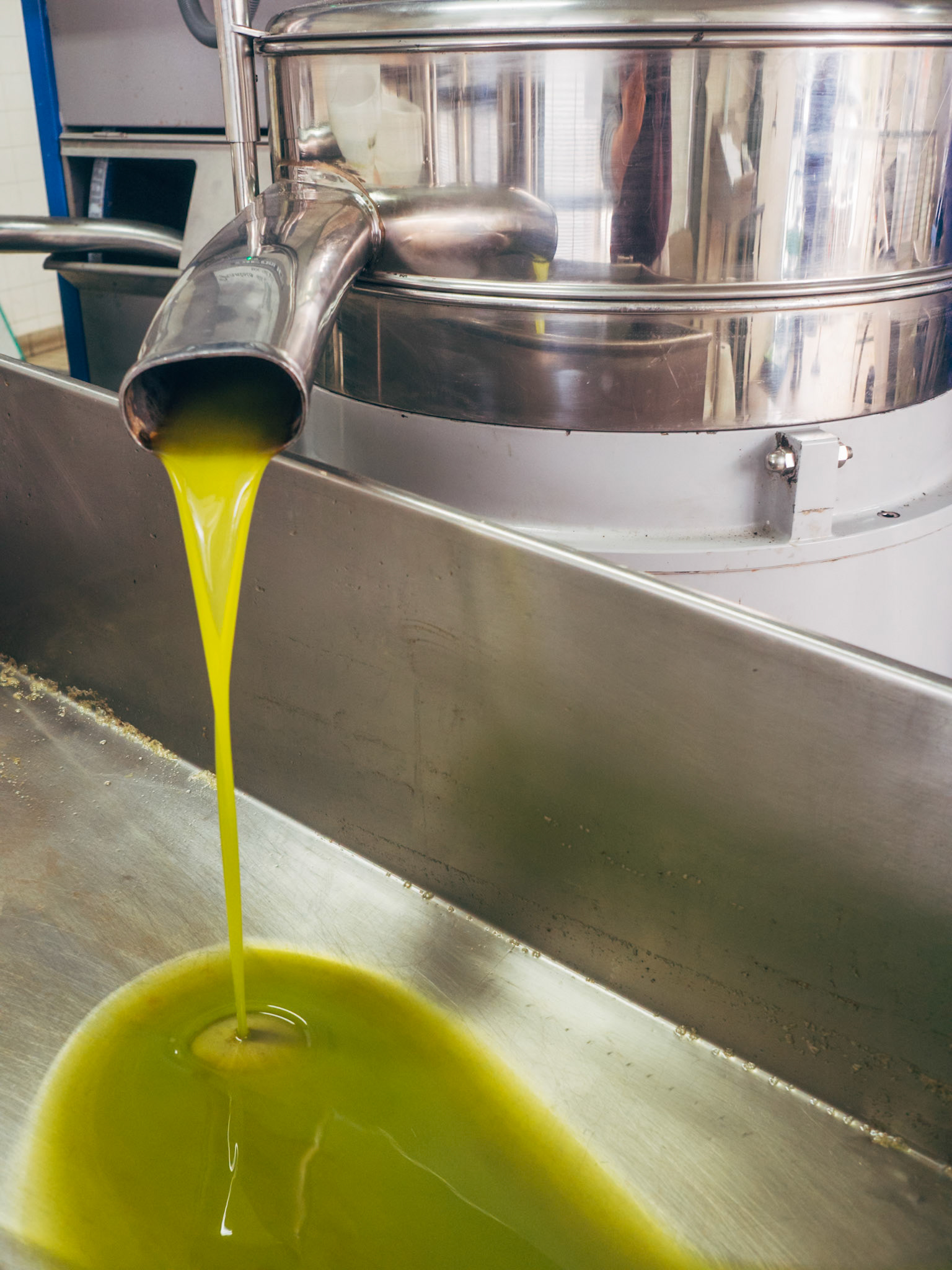
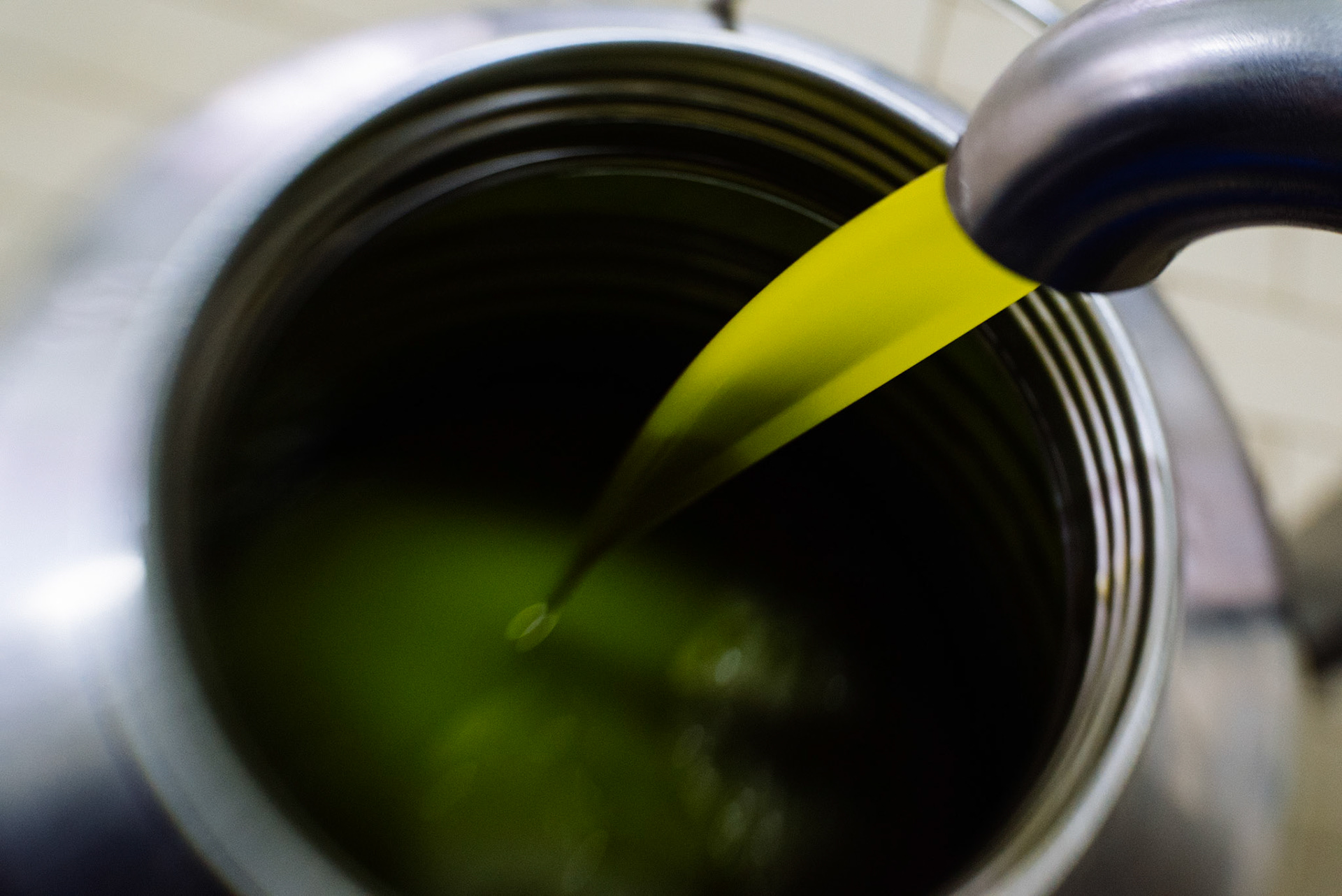
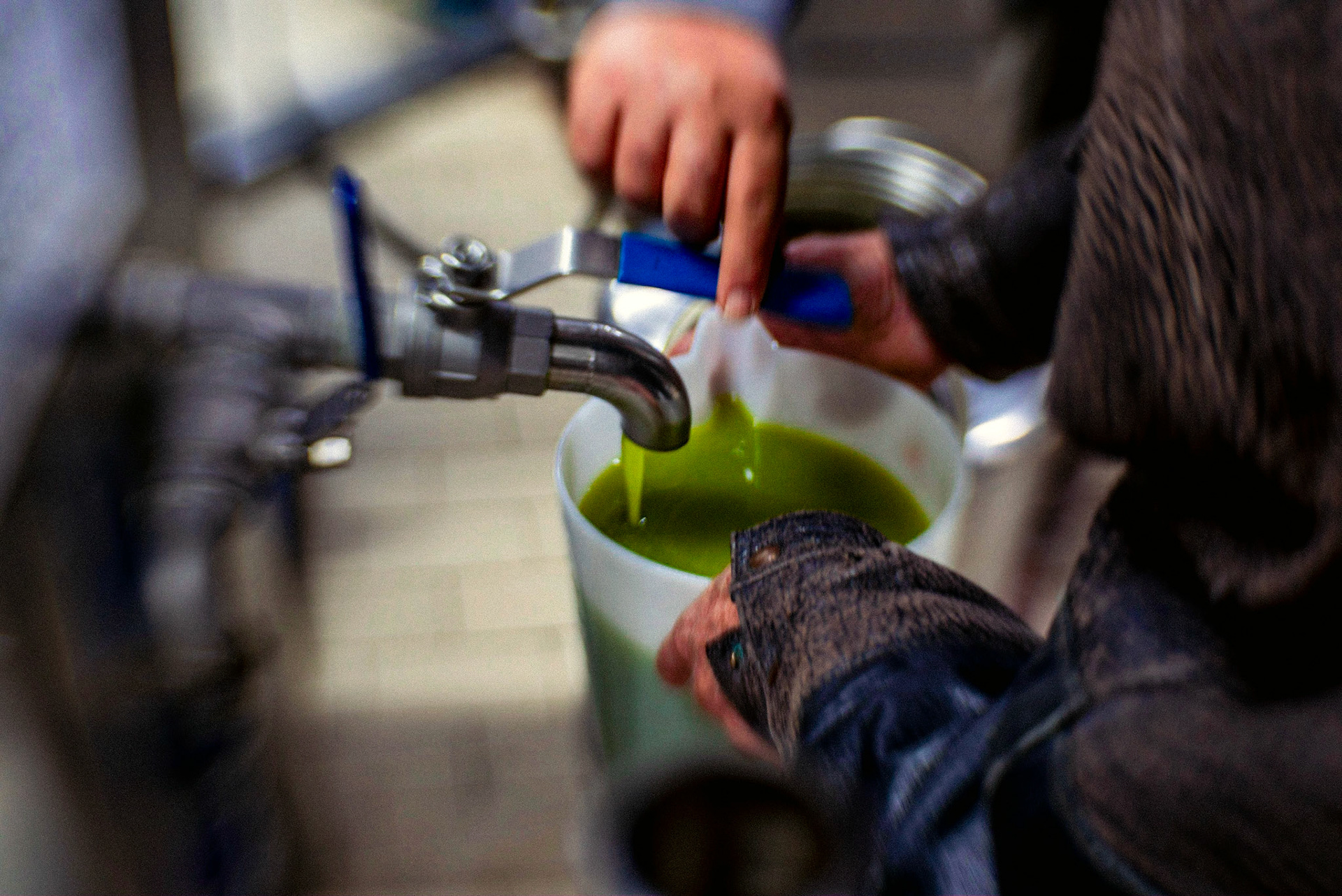
Over the years, I have received lots of questions about the making of olive oil, the most common being: How is olive oil made?. EVO - extra-vergin olive oil is meant to provide a visual answer to that question, capturing the essence of the process that transforms bitter olives into delicious gold.
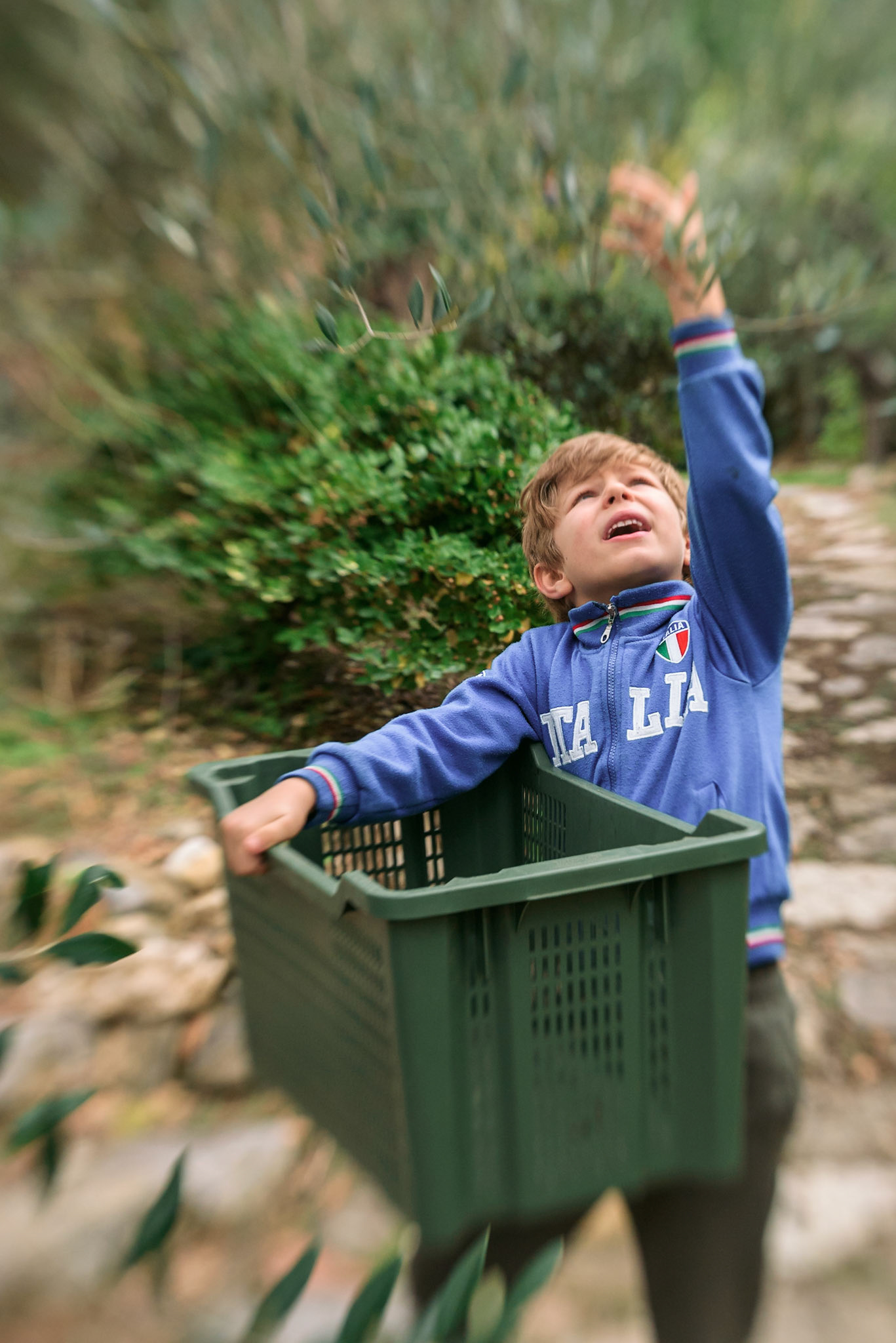
Traditionally, olive harvesting in my regions begins on November 25, in celebration of Saint Catherine. However, due to weather variations and the olives ripening earlier in the warm months of September and October, lots of farmers have adapted their schedule, and so did we. In our family, we typically harvest during the week of November 1, taking advantage of school holidays for a few days of dedicated work.
On a typical harvest day, we don’t start too early - especially if the evenings have been humid. The trees need to be dry to protect them and reduce the risk of slipping (and yes, I've heard of more than a few falls!). We work until sunset, around 5 PM, with coffee breaks and an outdoor lunch featuring delicious Tuscan fare like pecorino cheese, ham, mortadella, salami, and the beloved schiacciata. We keep the alcohol to a minimum; after all, we need to be sharp for the task at hand!
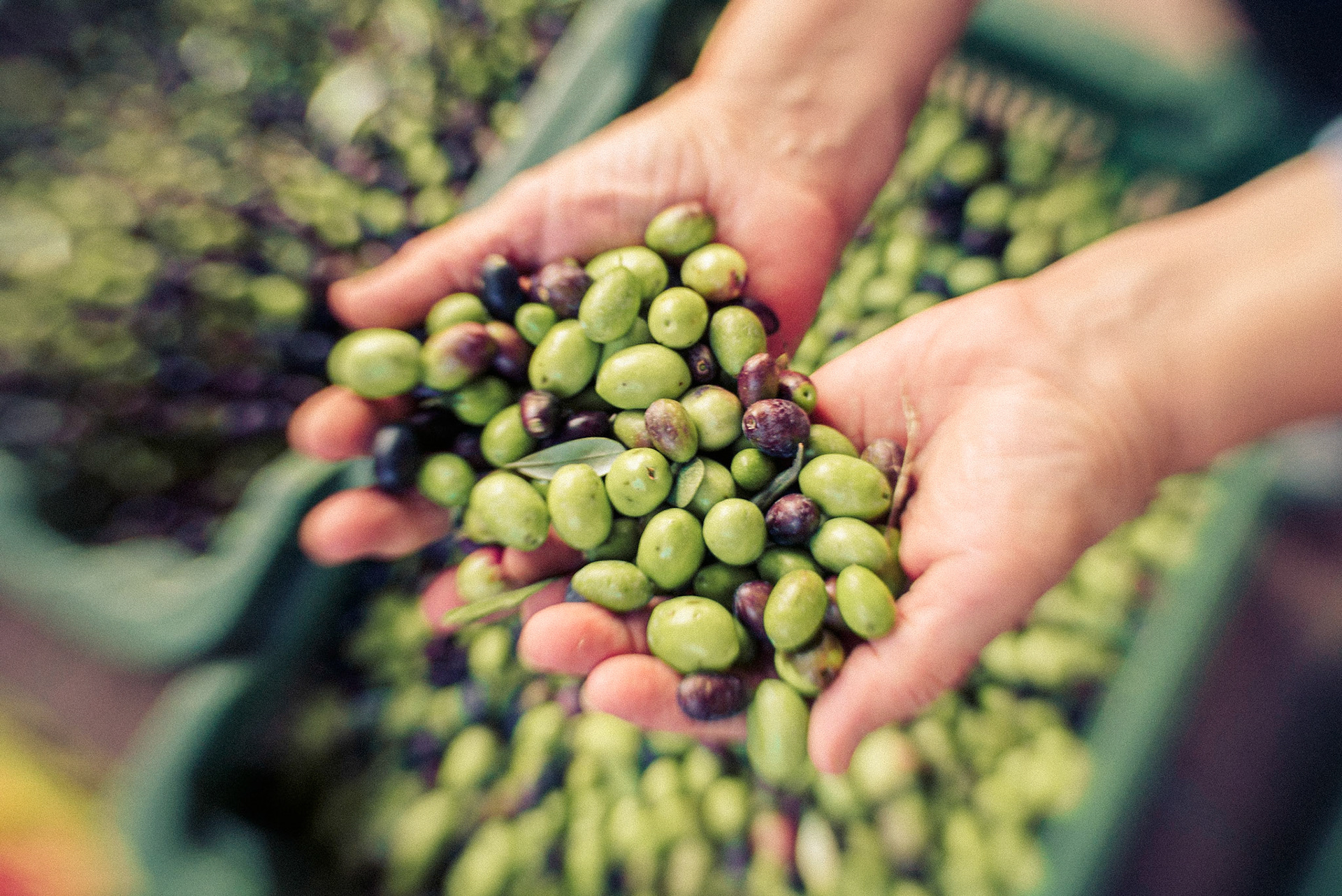
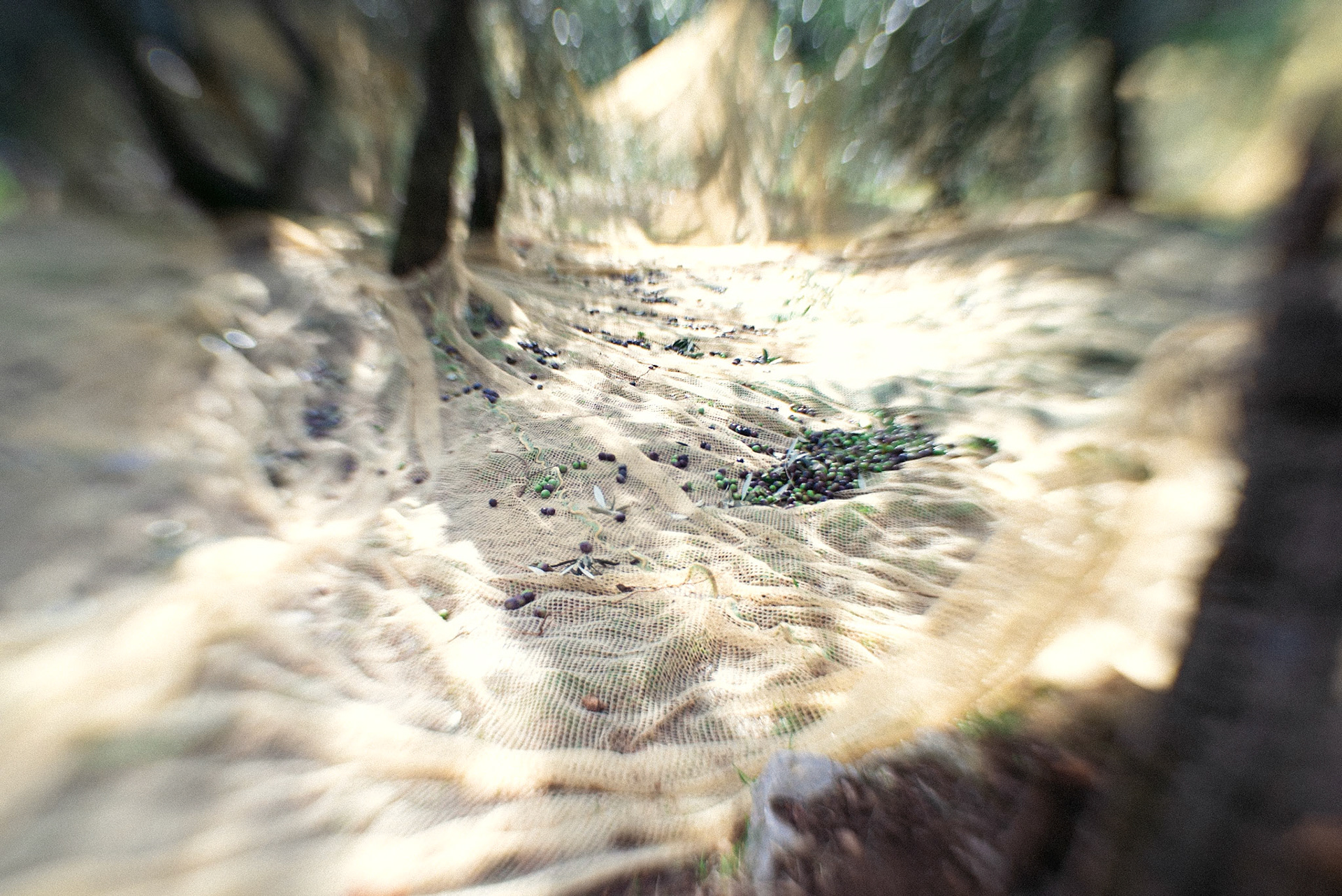
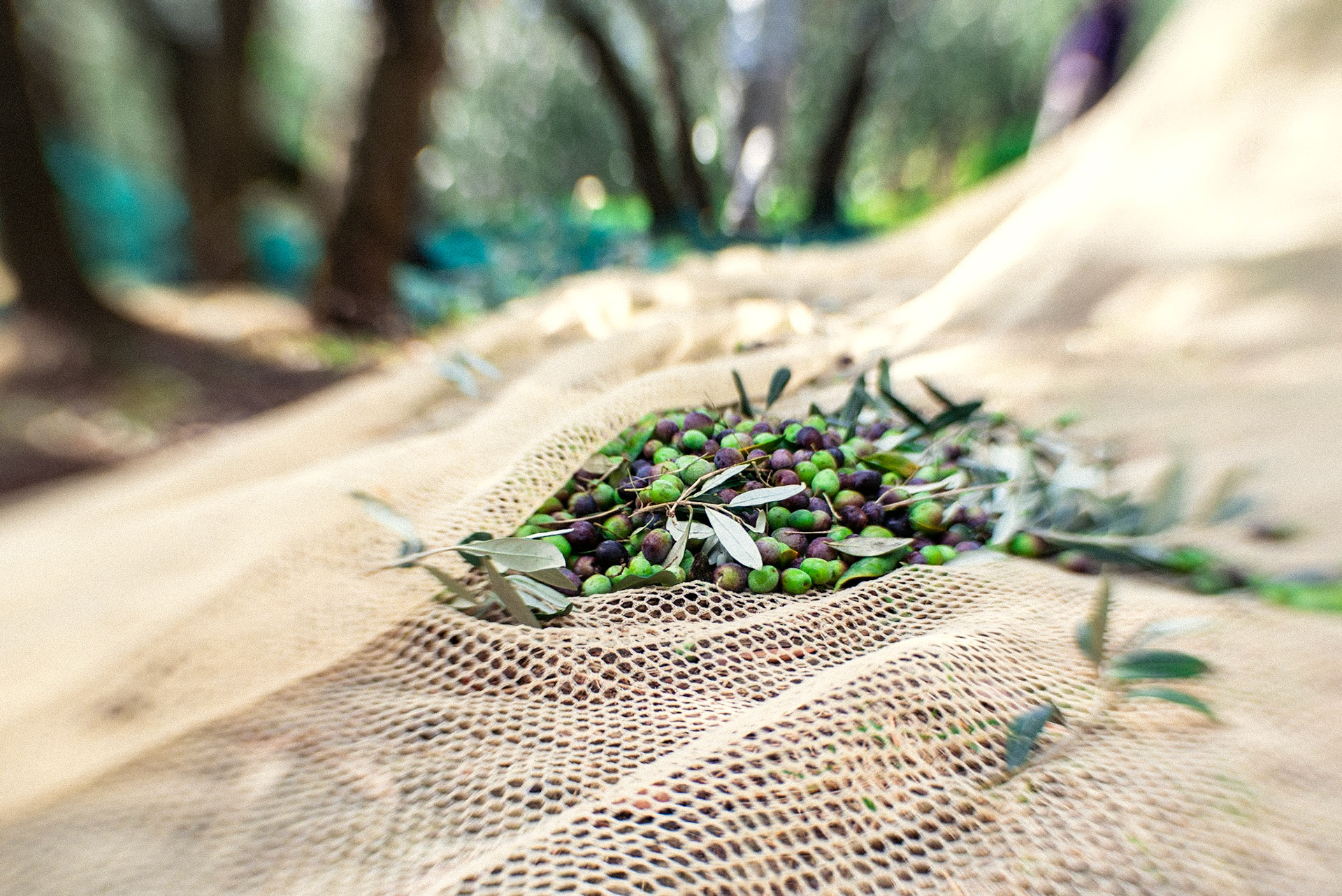
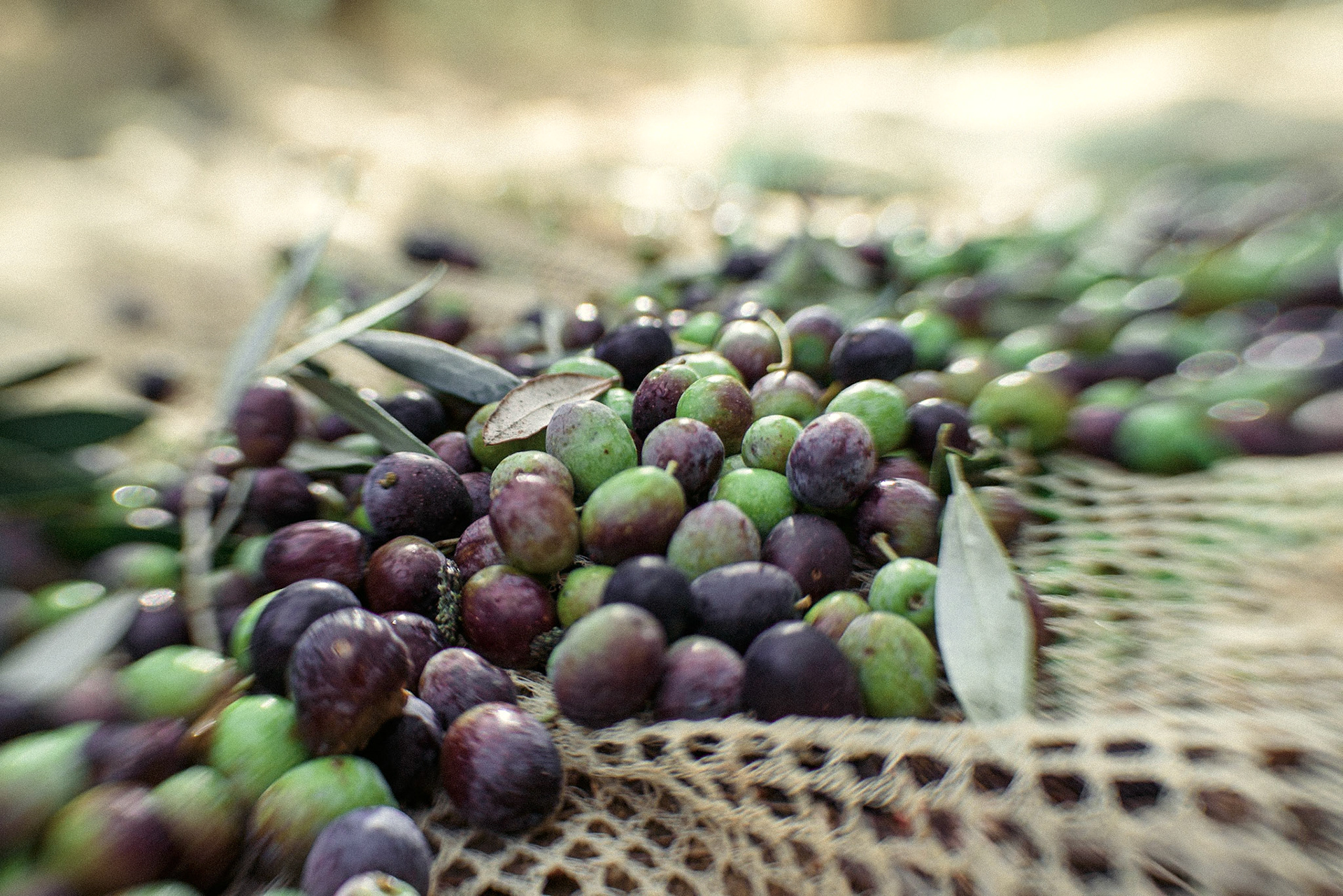
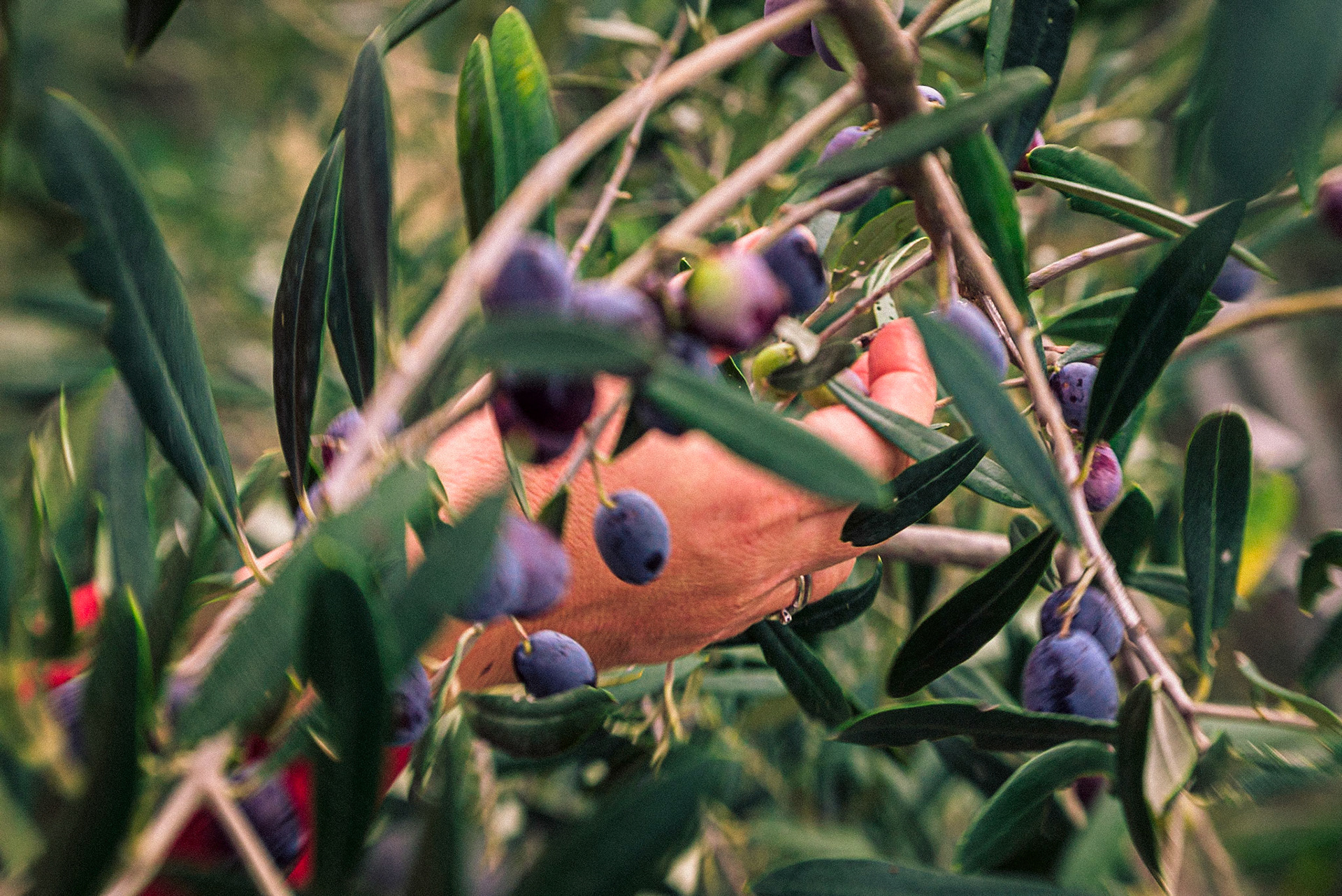
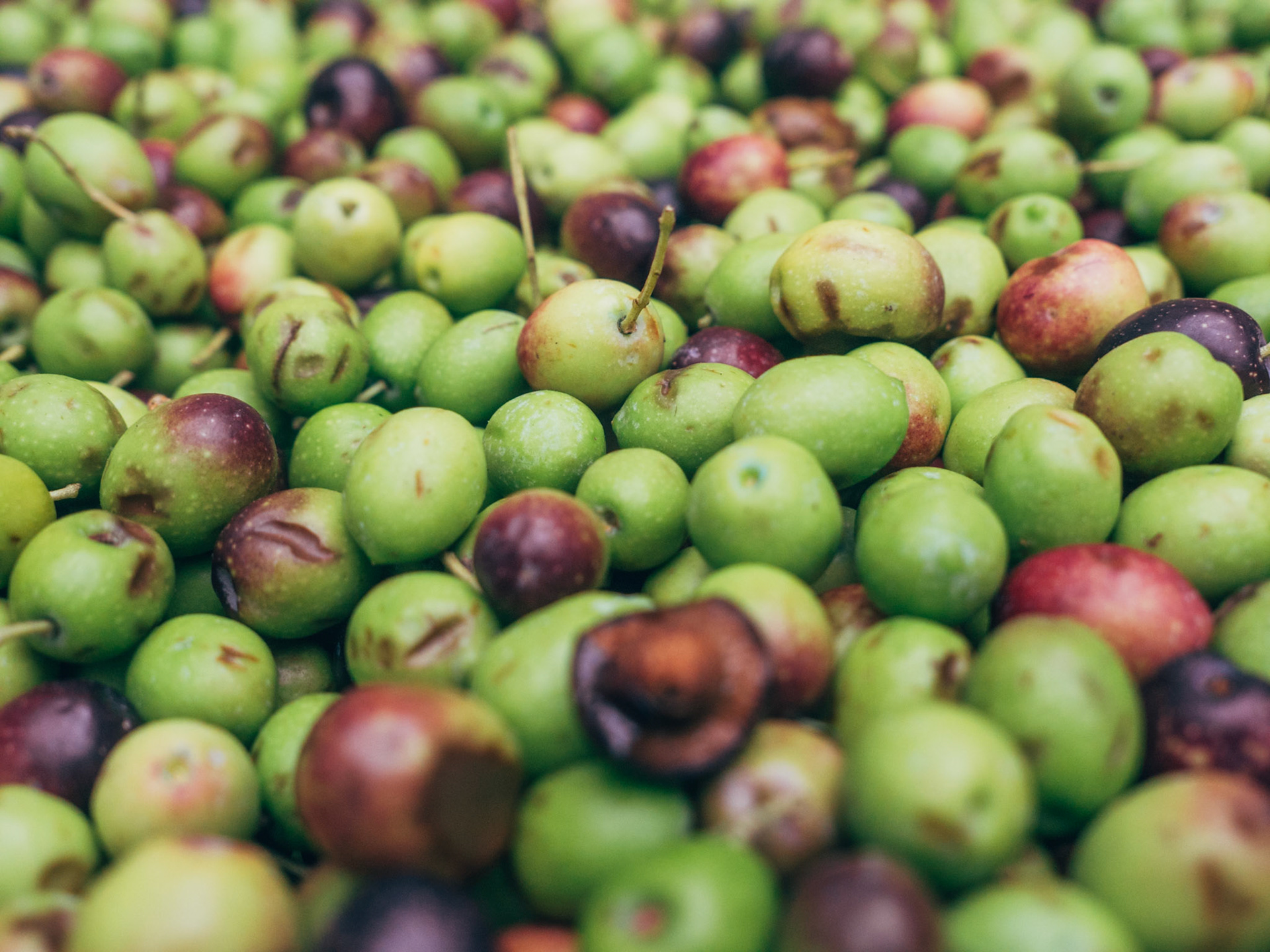
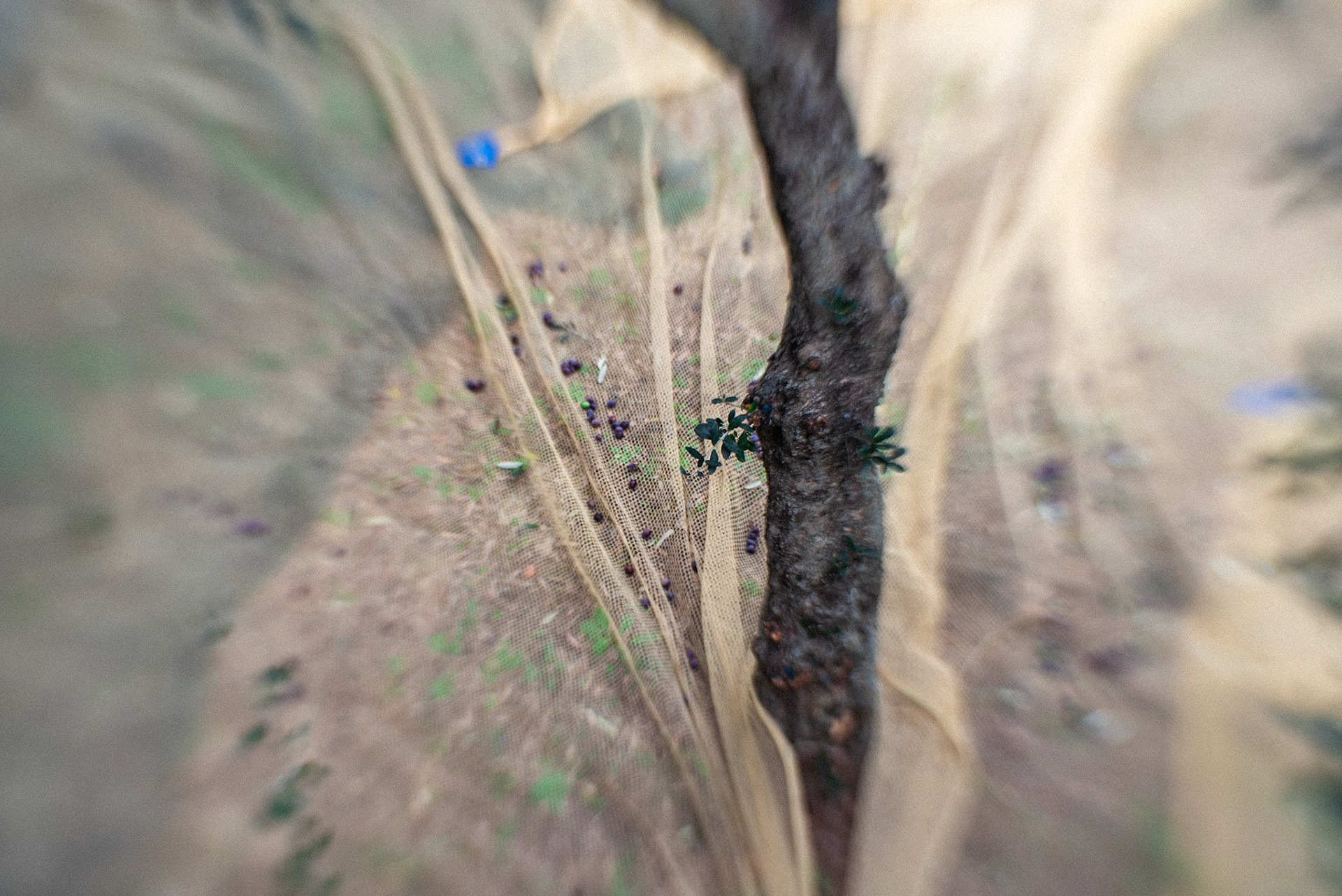
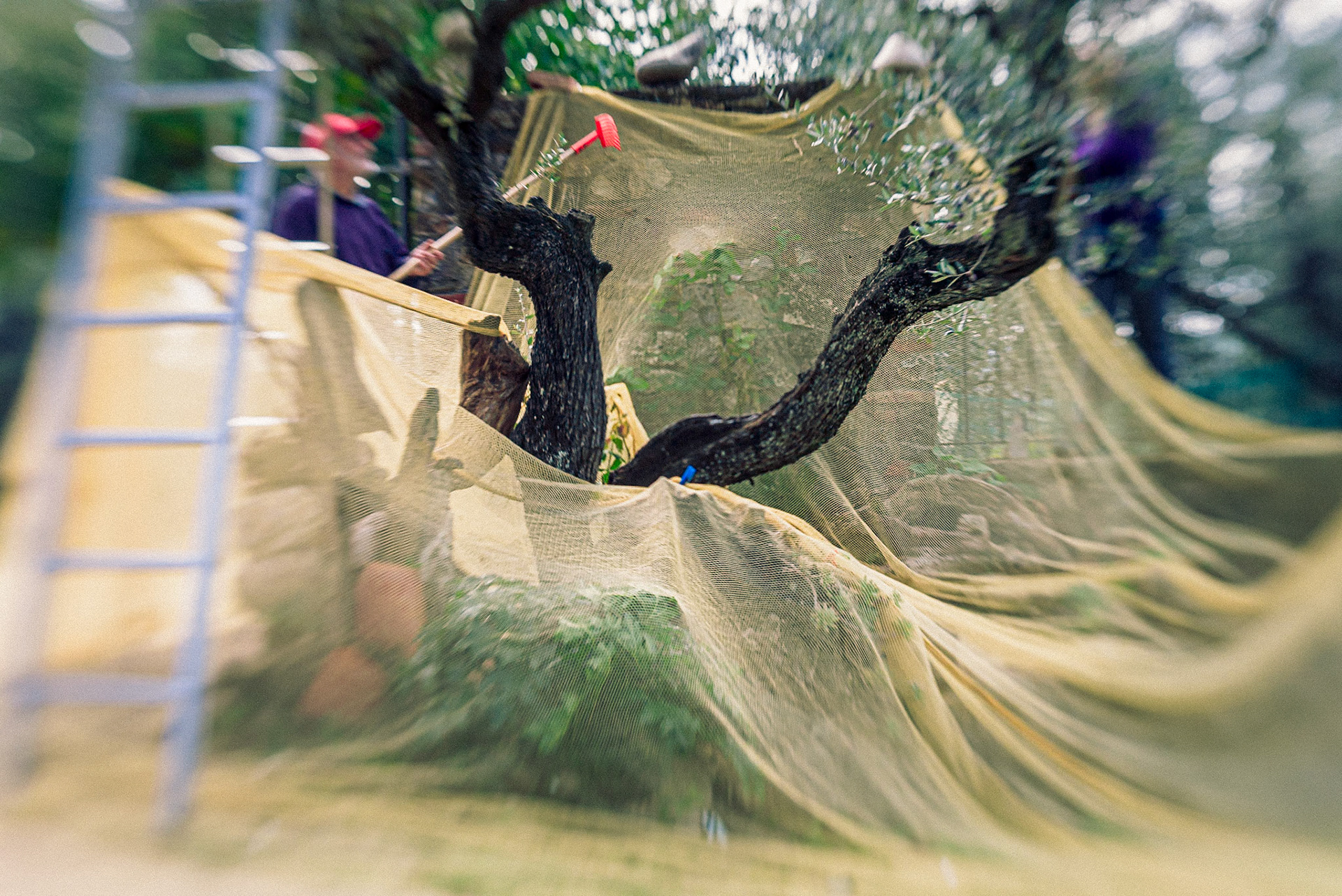
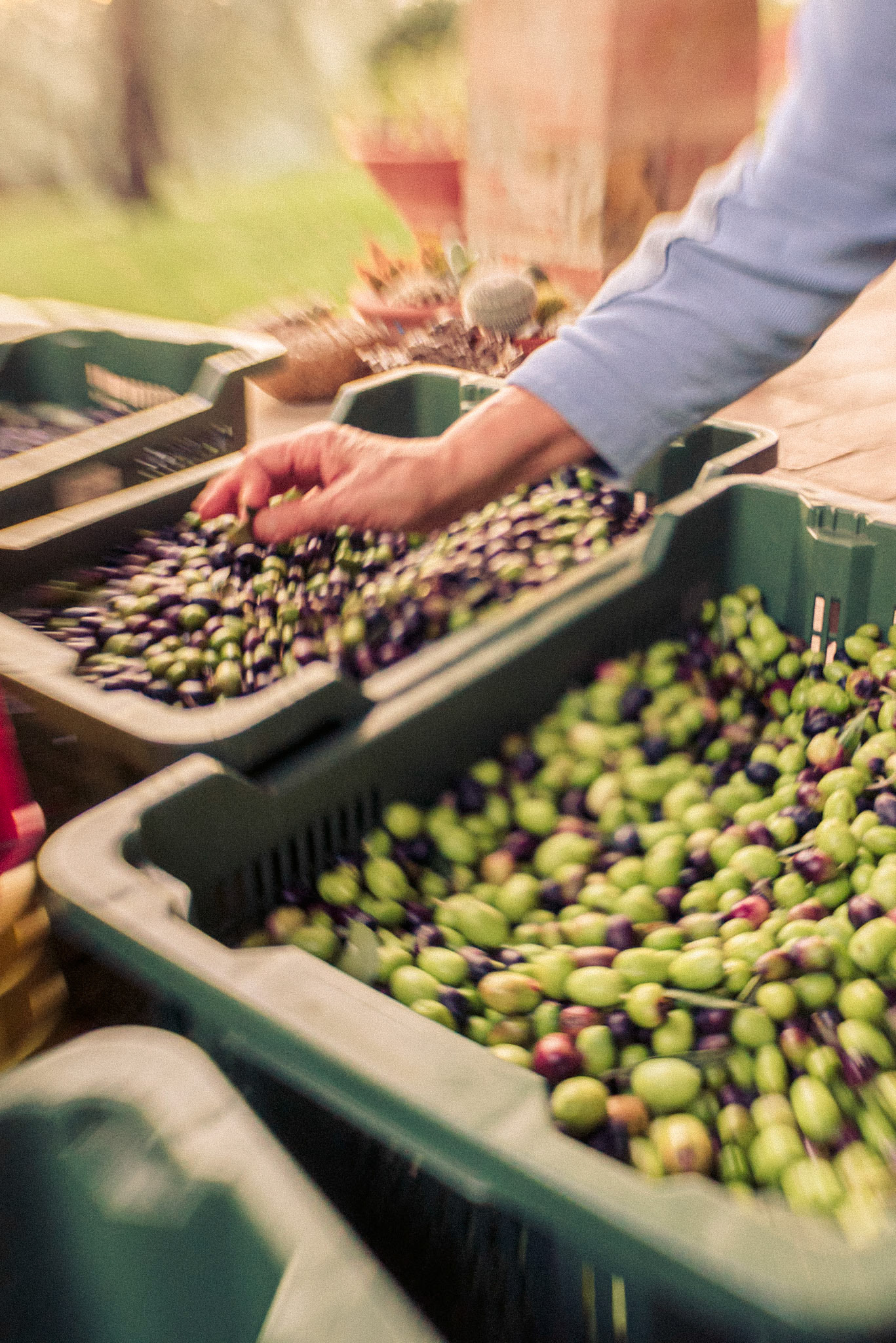
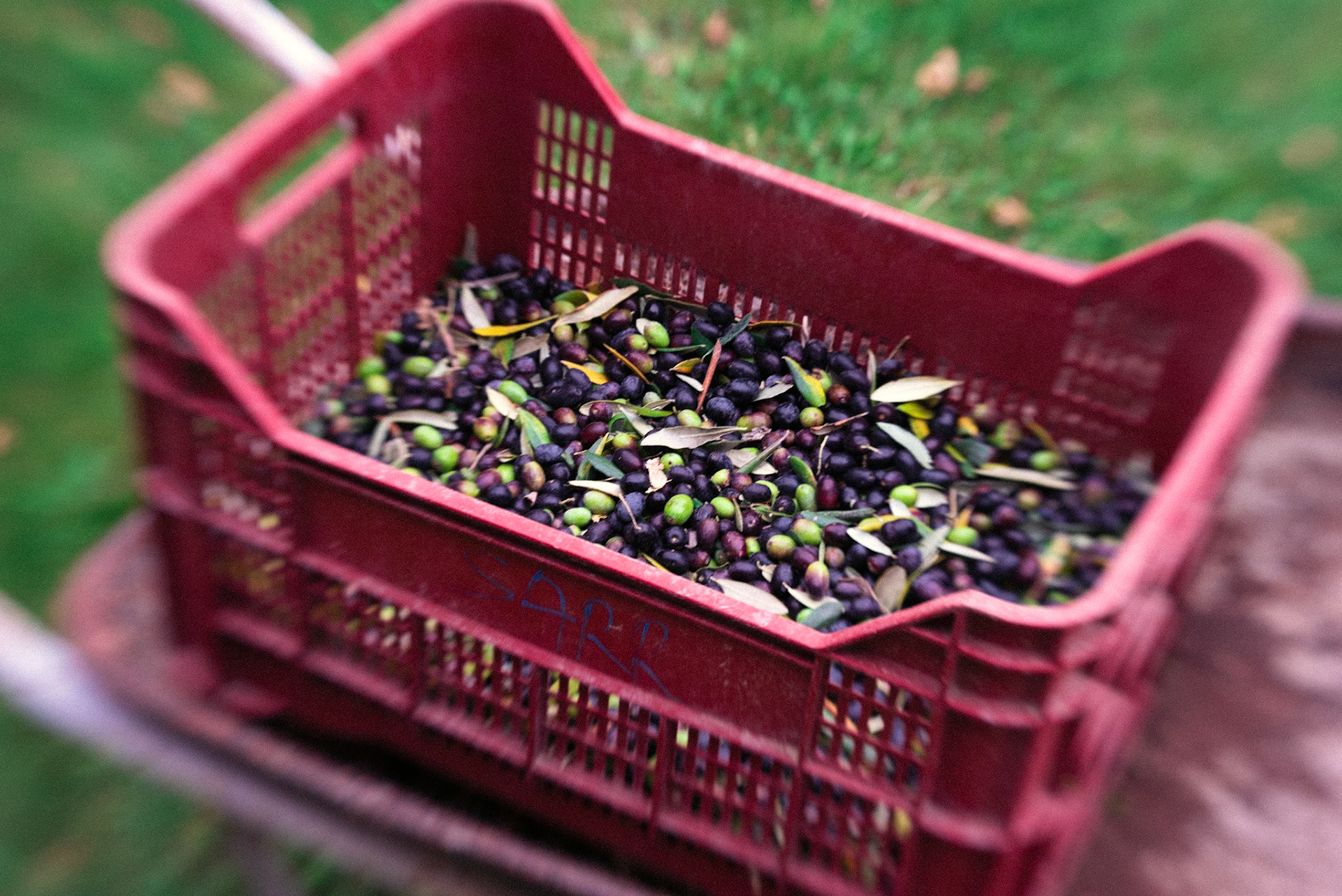
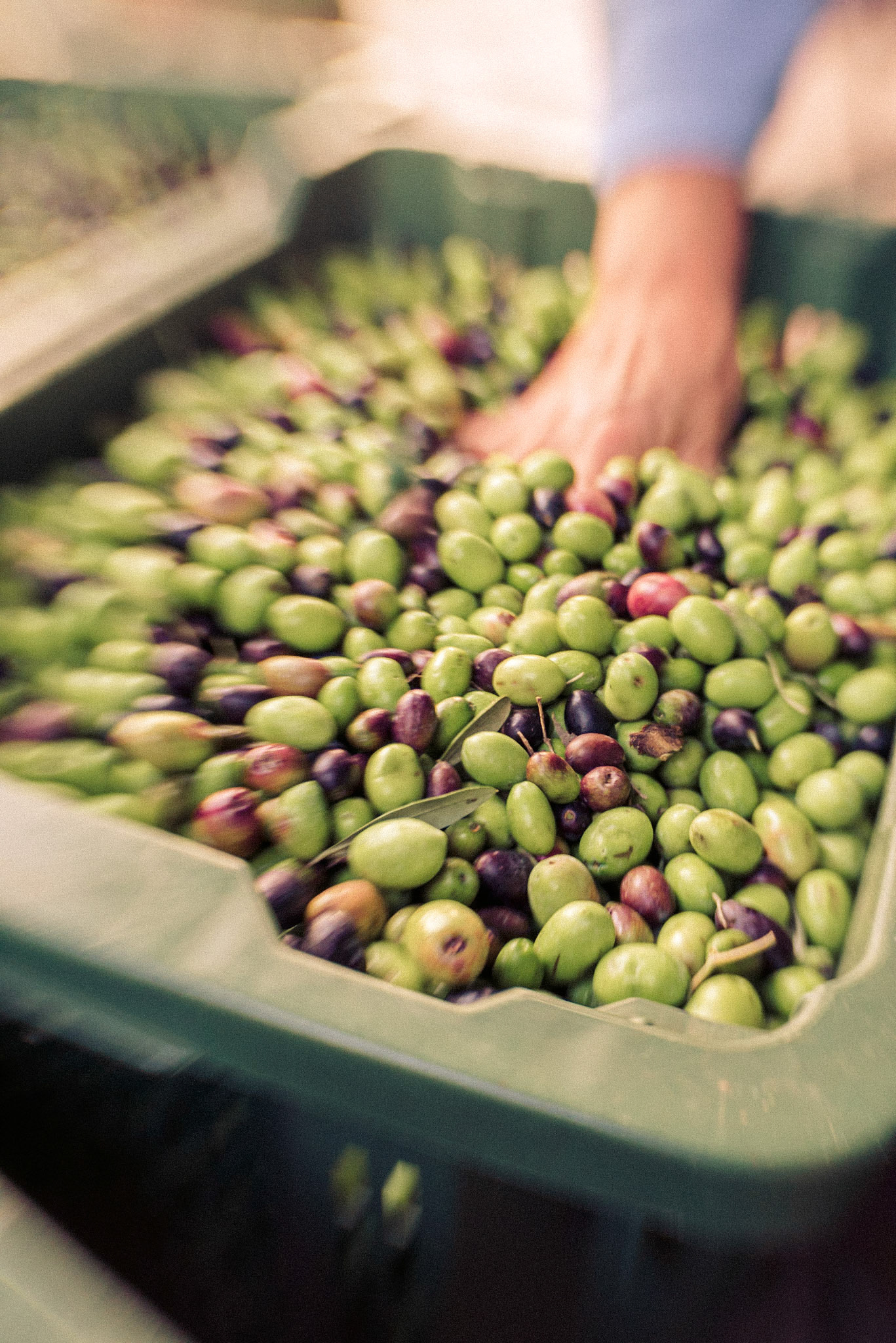
Harvesting is an art. We lay down large nets to catch the falling olives, carefully combing each branch with our hands or small rakes. The nets must be wide, without holes, and positioned just right - olive trees can be surprisingly tricky, often situated on slopes that require attentive placement. Once we have collected the olives, they are stored in small baskets for a couple of days in a cool, ventilated area before heading to the mill. You don't want to keep the olives waiting too long because they may start to rot or develop mold—factors that would undermine the quality of the final product.
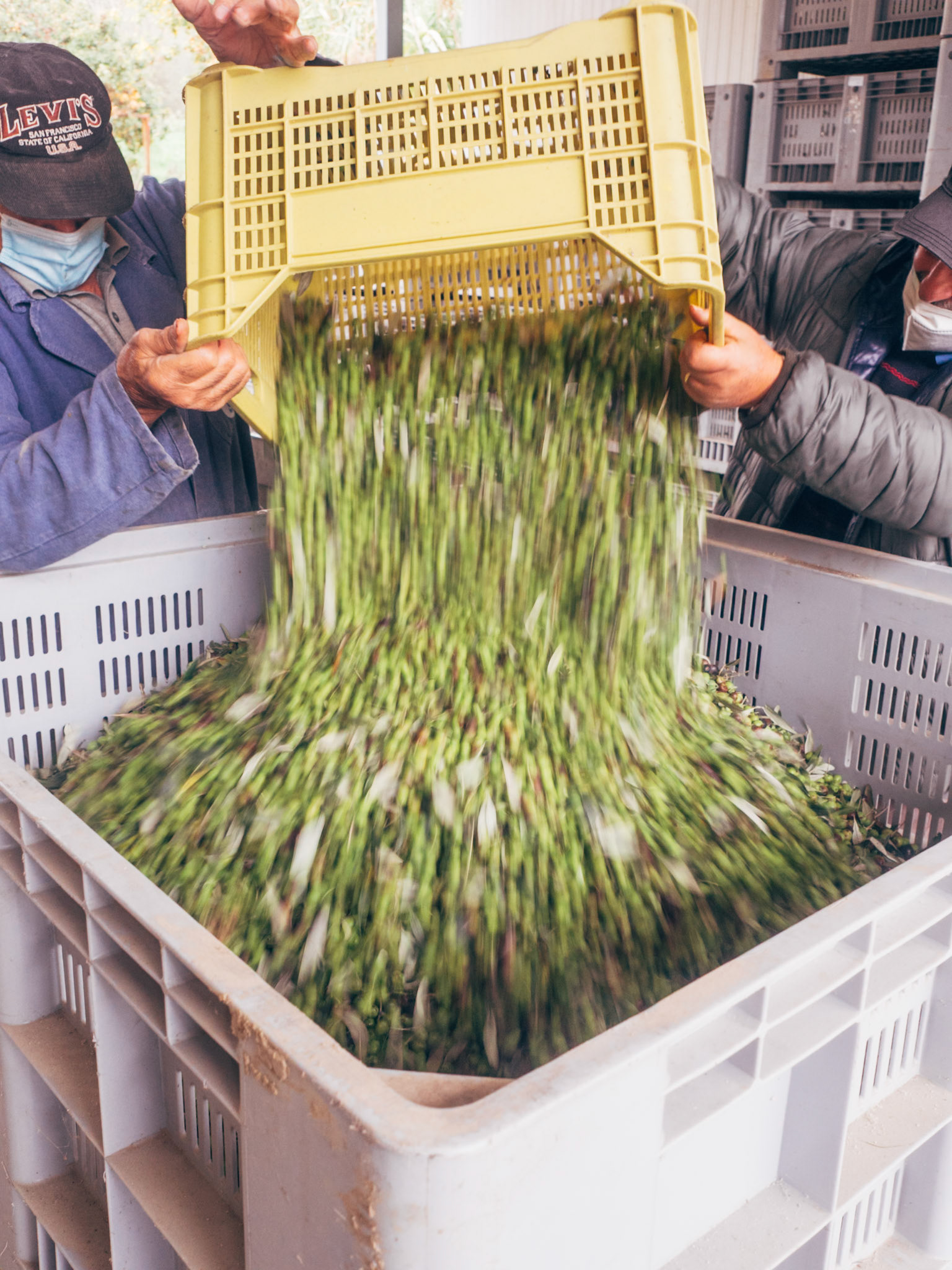
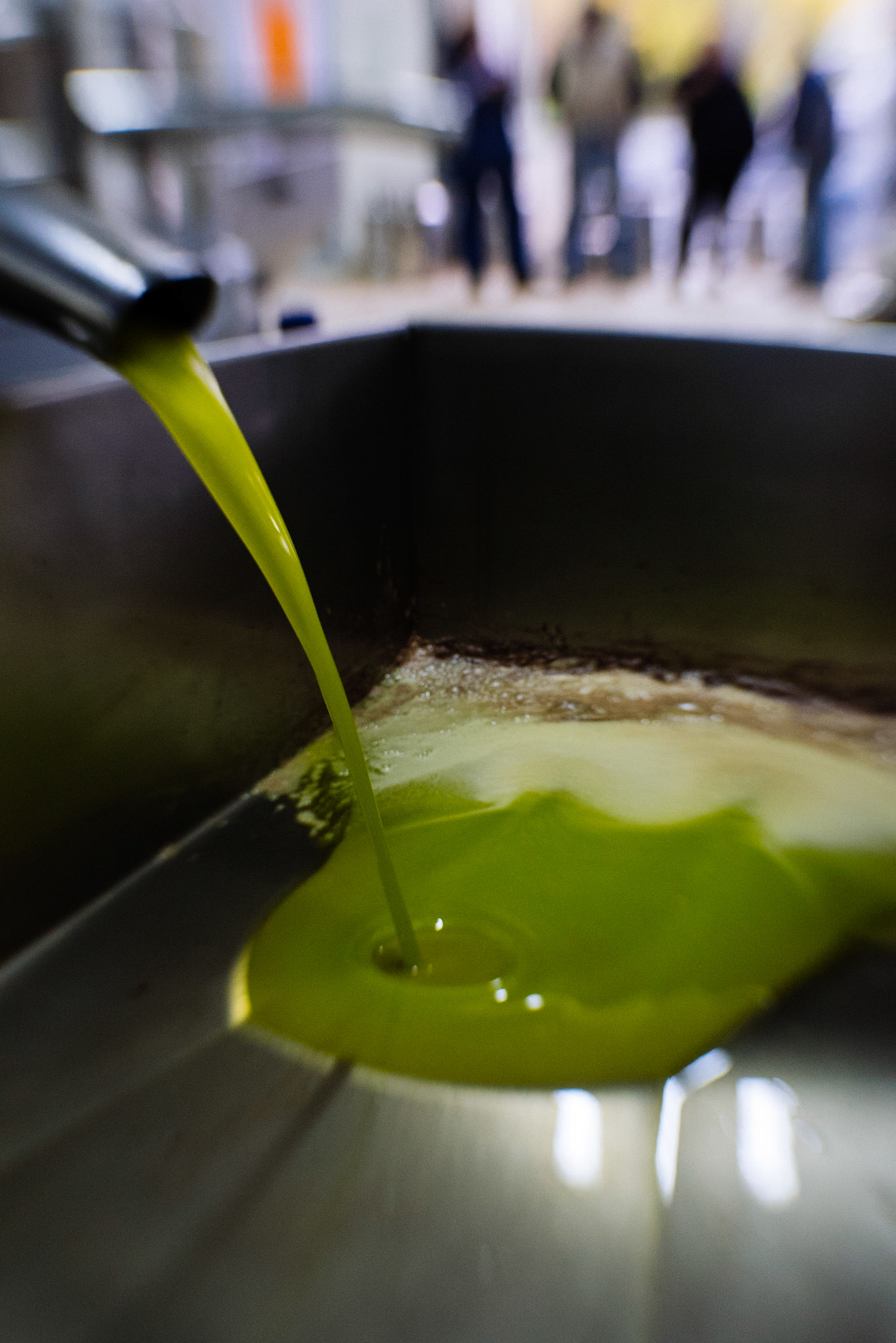
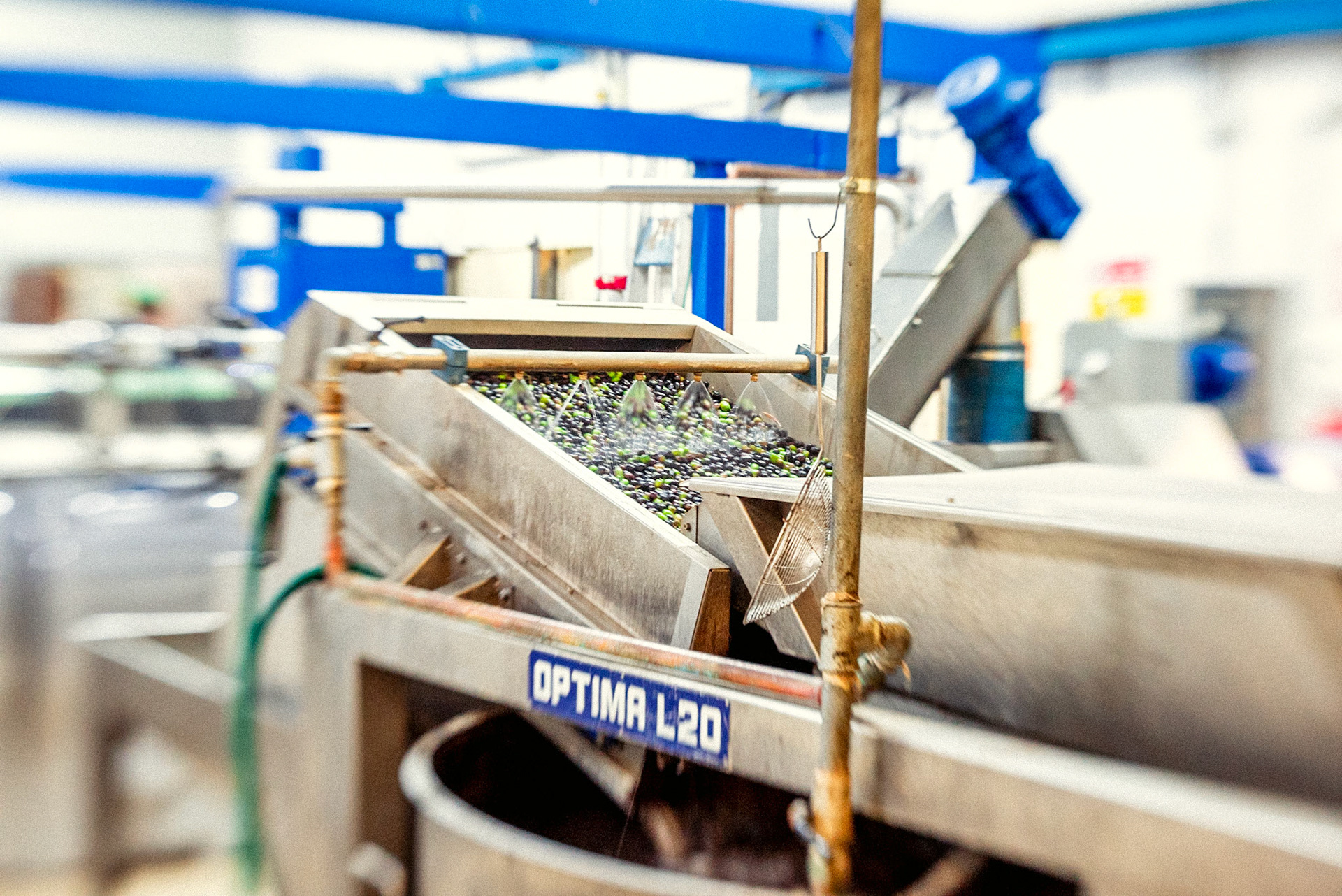
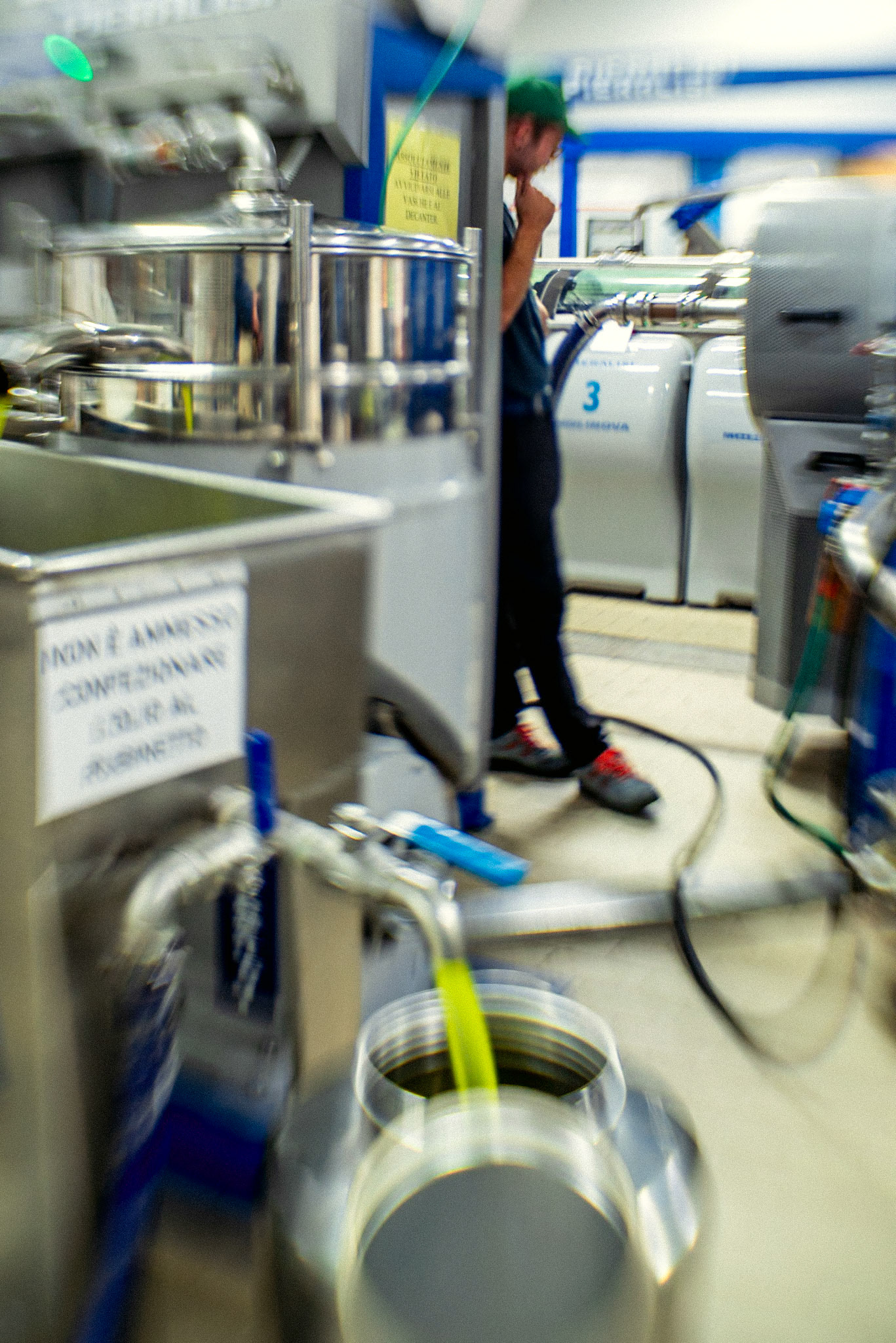
The mills themselves vary greatly. While I appreciate the charm of traditional stone mills, I prefer the cleanliness of modern mills that wash, mill, and filter the olives efficiently. This technology may warm the olives slightly, but it keeps the process neat. As you can imagine, one of the hottest debates among producers is what is the best method for producing olive oil. Conversations can go on and on at the mill or at bars - the local agora - but, ultimately, it’s all a matter of personal preference.
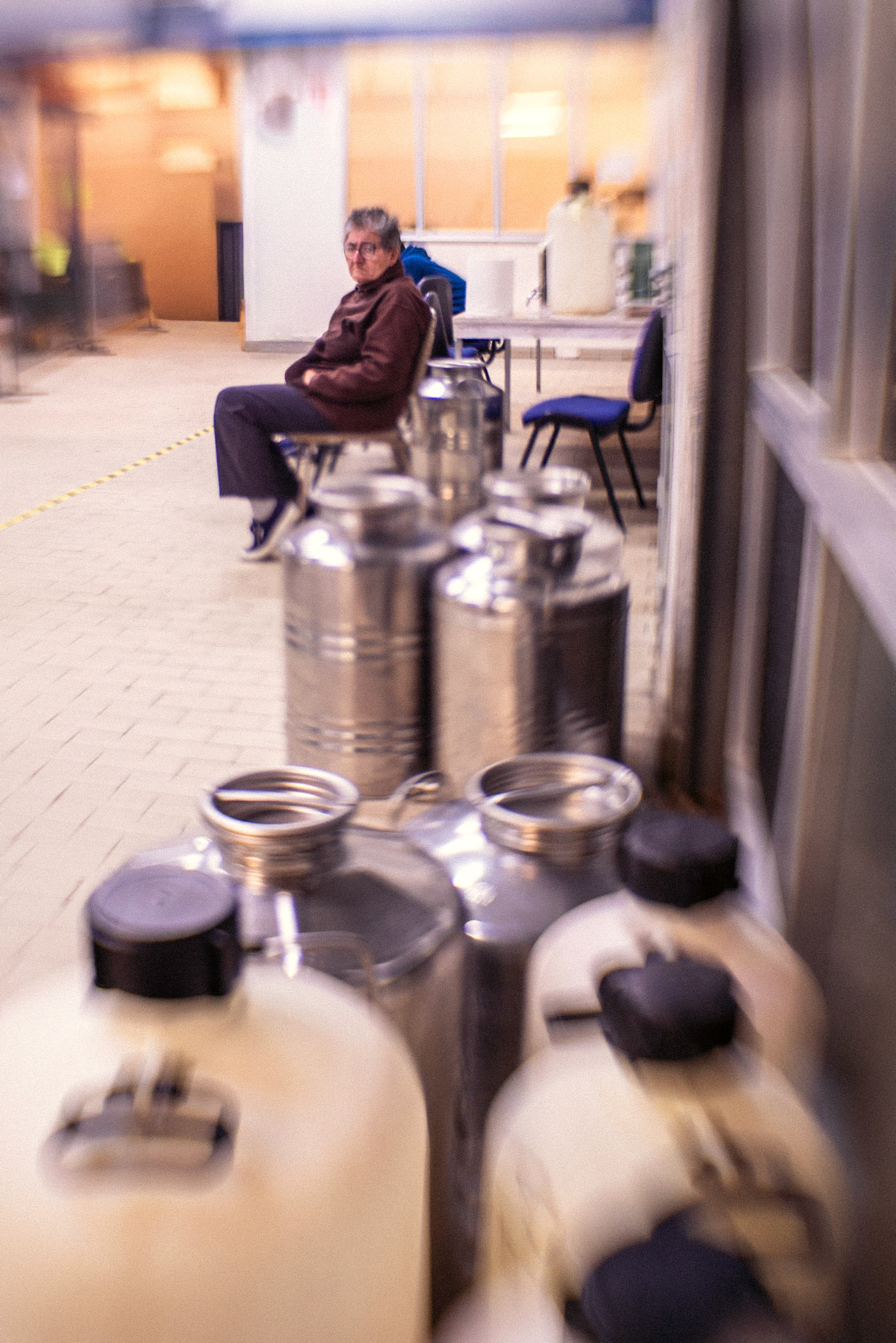
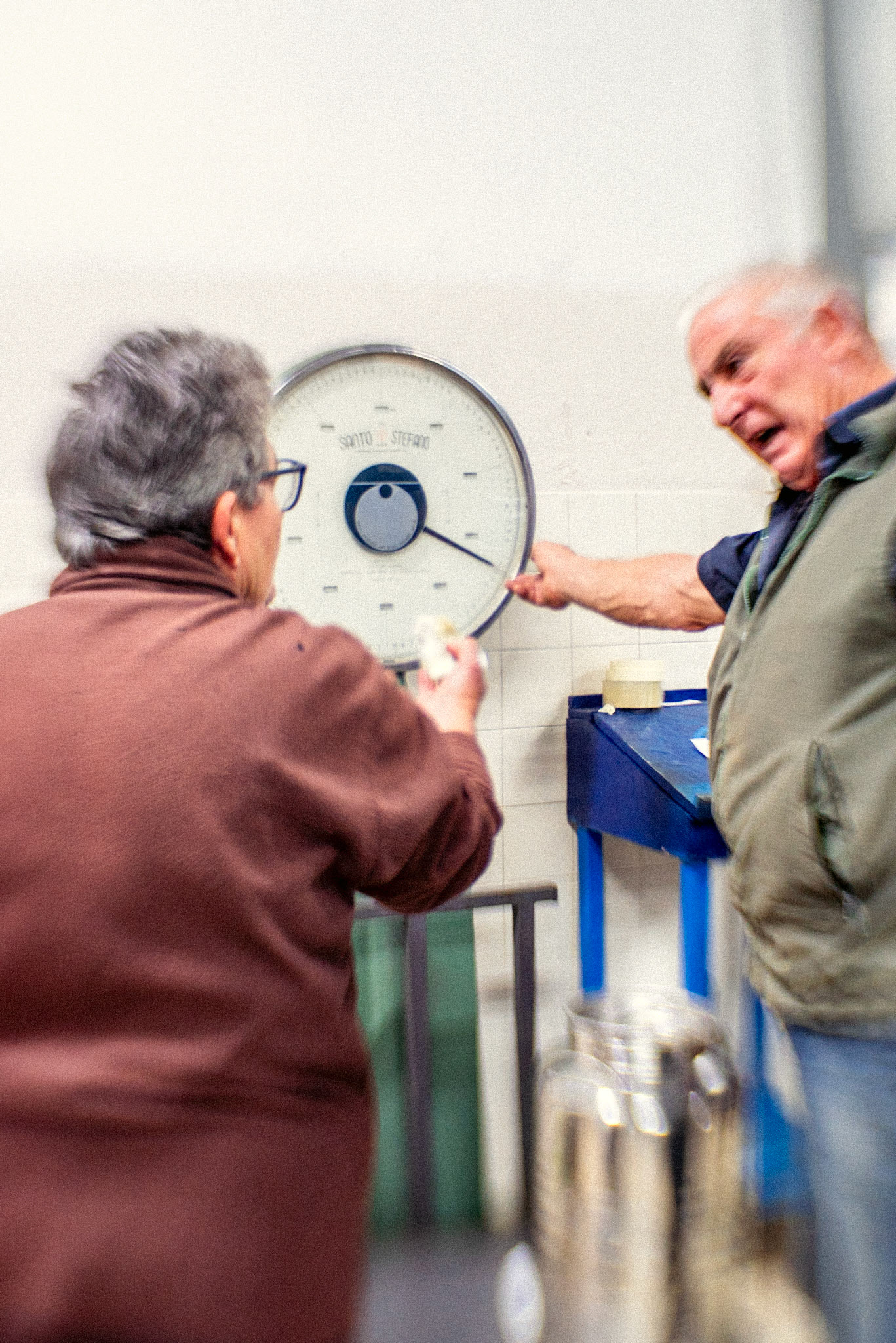
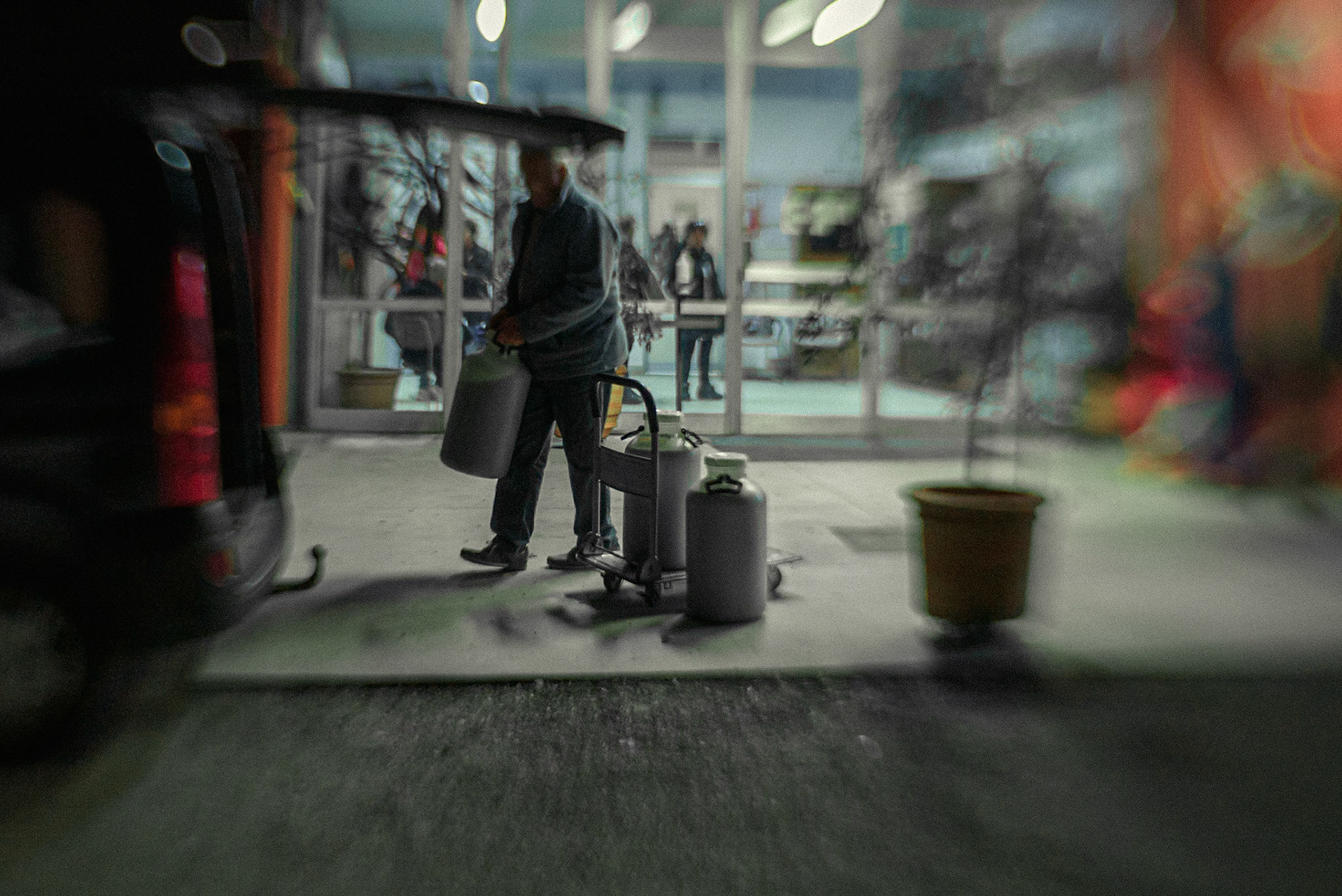
Harvesting is a concentrated effort, typically occurring from mid-October to mid-November. During this time, all producers converge on the mills simultaneously, leading to long waits filled with camaraderie and gossip, which in the end contribute to the local social fabric. Farmers exchange advice on tree care and, of course, discuss "la resa" (the yield)—how much oil they are getting per kilogram of olives milled.Producing olive oil is not cheap: throughout the year, you must care for the olive trees by trimming them, treating them with fertilizer and copper sulfate, disposing of cut branches, and keeping the field clean and accessible. You also need nets and, if you have a large field, extra workforce to help with the harvest. Finally, you must pay for milling, which depends on the number of kilograms you bring to the mill. Everyone hopes that their hard work and care will be rewarded with the most olive oil for their efforts.
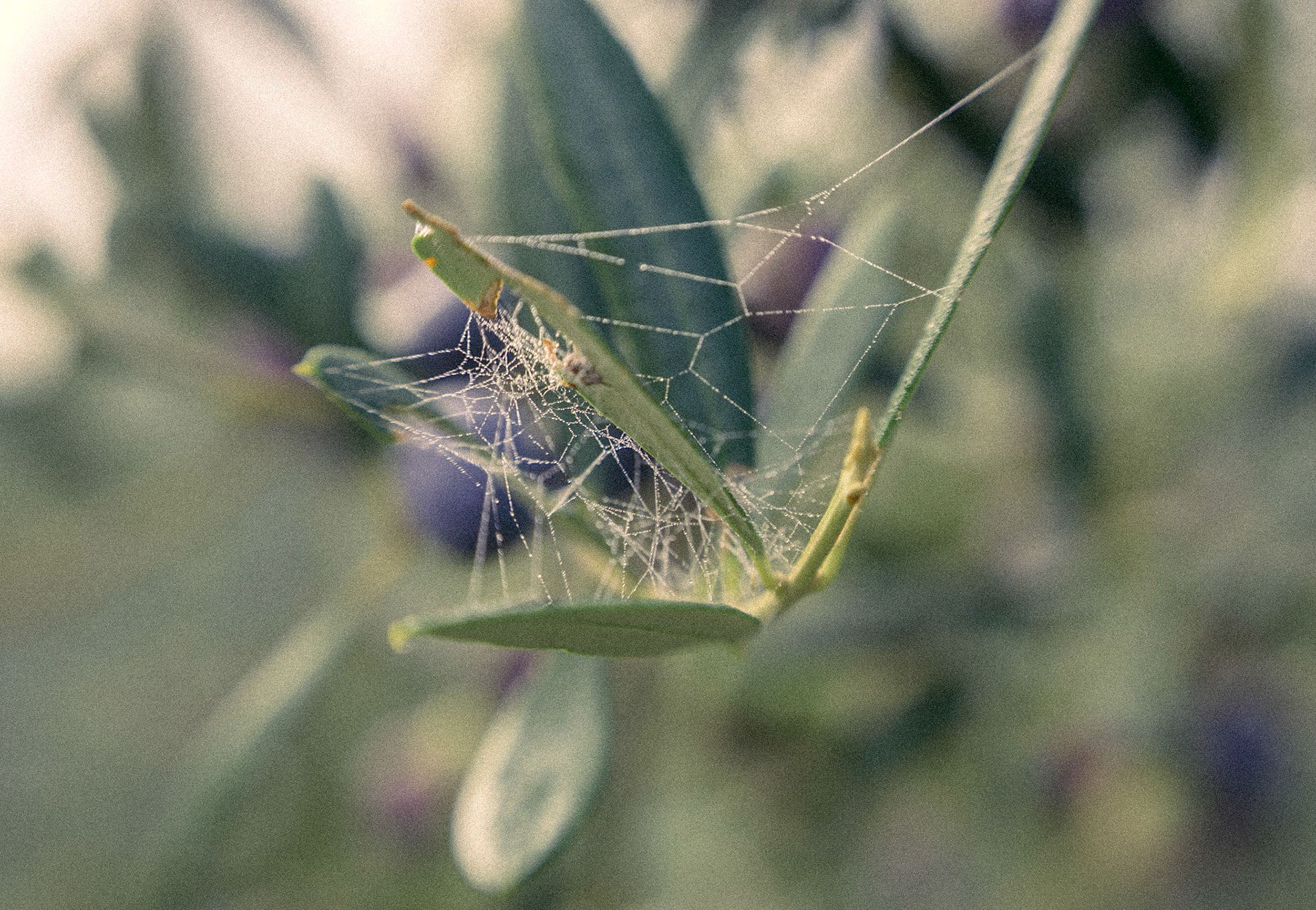
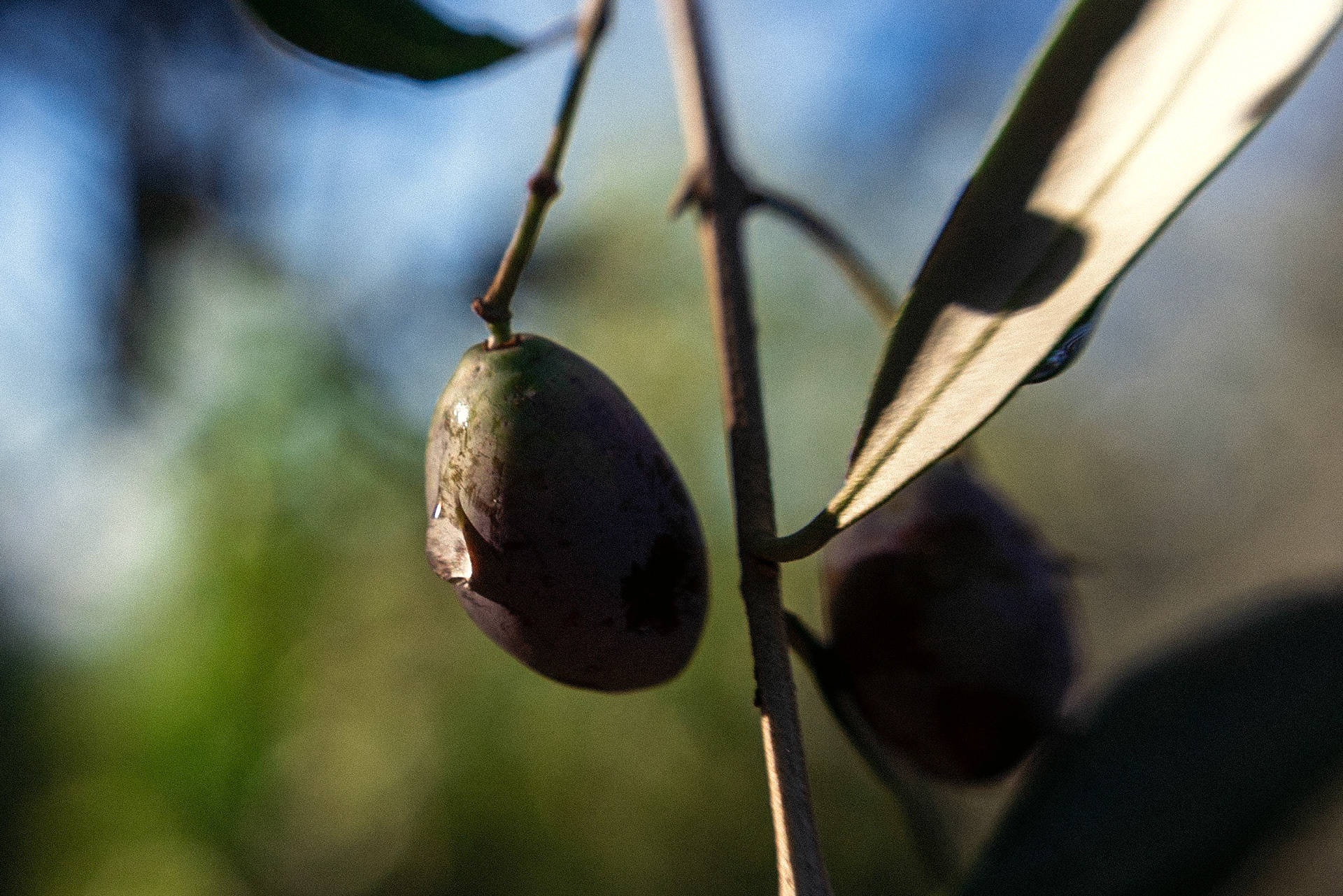
Every year brings its challenges; olive trees tend to rest every other year, and many factors must align for a successful harvest. Ideally, you want a few weeks of intense cold during winter to kill parasites, a mild spring with gentle rain and sunshine for good blooming, and a sunny, dry summer for the olives to mature, rich in oil rather than water.
As with other crops, it's rare for everything to go perfectly, which is why trees require care throughout the year. In addition, climate change has made harvests increasingly unpredictable, threatening the ability to produce high-quality olive oil: Unusually warm and wet winters fail to kill parasites, which then proliferate in spring and can devastate entire harvests. For those producing olive oil for personal use, losing a harvest might be acceptable, as has happened to my family a couple of times in recent years. However, for those whose livelihood depends on farming, there is no alternative but to resort to pesticides and other chemicals to protect the olives and support production, often at the expense of health and the environment. It's a tragic decision to make.
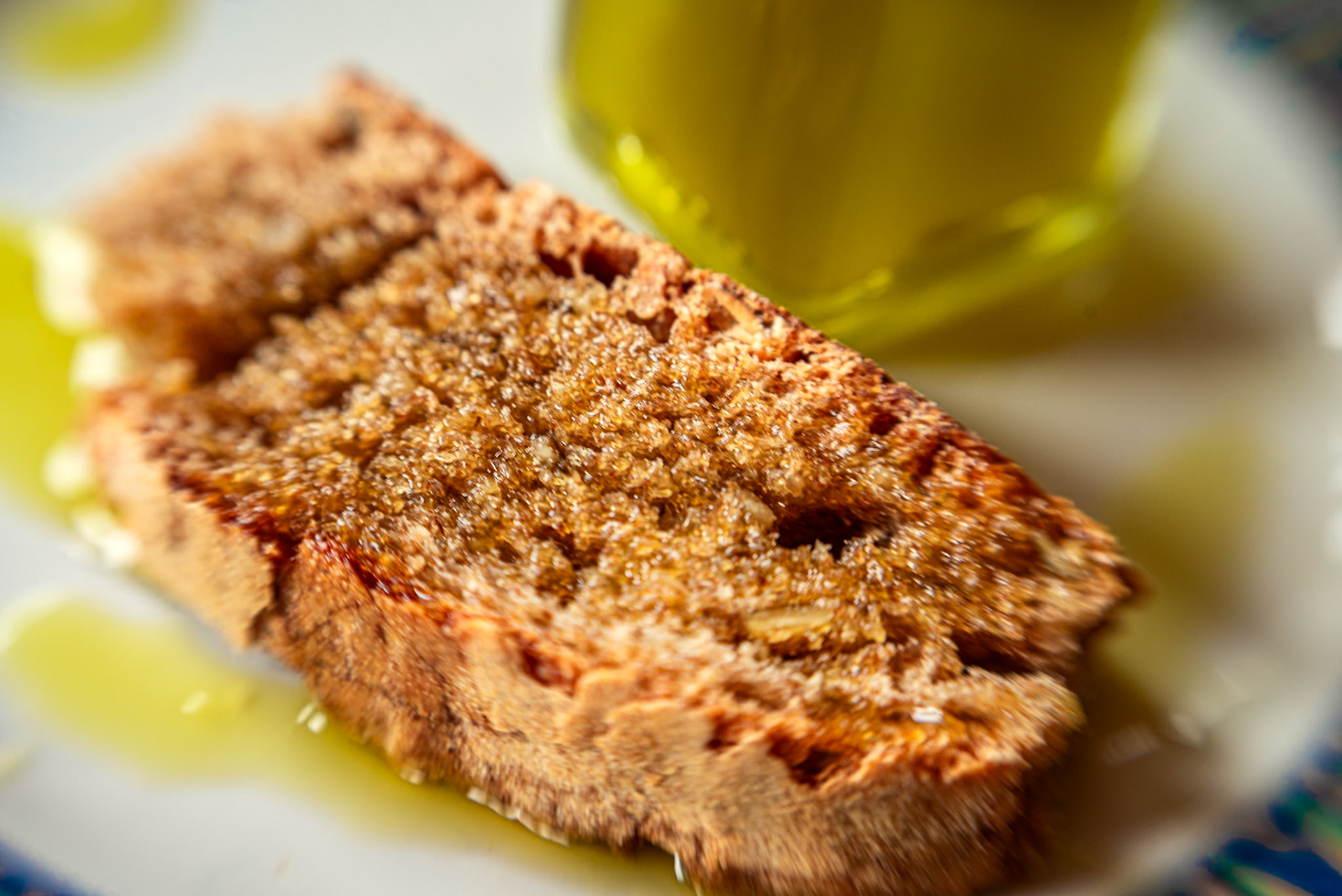
Amidst these challenges, there’s a bittersweet essence to the process: while we cherish the fruits of our labor, we also confront the realities of nature's whims. As you explore this collection, I hope you gain a deeper appreciation for the journey from tree to table, culminating in that magical moment of fresh olive oil drizzled over a slice of freshly toasted bread for the very first bruschetta with olio novo.